



Pyramids are present in several countries around the world. While Egypt is the most famous and iconic location for pyramids, other countries also boast these impressive structures. Some countries with pyramids include Mexico, Sudan, Peru, China, Guatemala, Belize, El Salvador, and even Italy (with the Pyramid of Cestius in Rome).
Those ancient constructions have long fascinated people, holding an air of mystery and harboring astonishing facts. Some pyramids align with celestial events, like the equinox serpent illusion of El Castillo in Chichen Itza, while others showcase advanced engineering techniques of their time. The intricate carvings and hieroglyphs adorning pyramid walls provide glimpses into ancient civilizations’ beliefs and rituals.
Whether it’s the mathematical precision or the unanswered questions surrounding their construction, pyramids never cease to amaze, beckoning us to unravel their enigmatic stories. Learn more about the pyramids with these crazy facts.
10.Chichén Itzá Is An Ancient Observatory
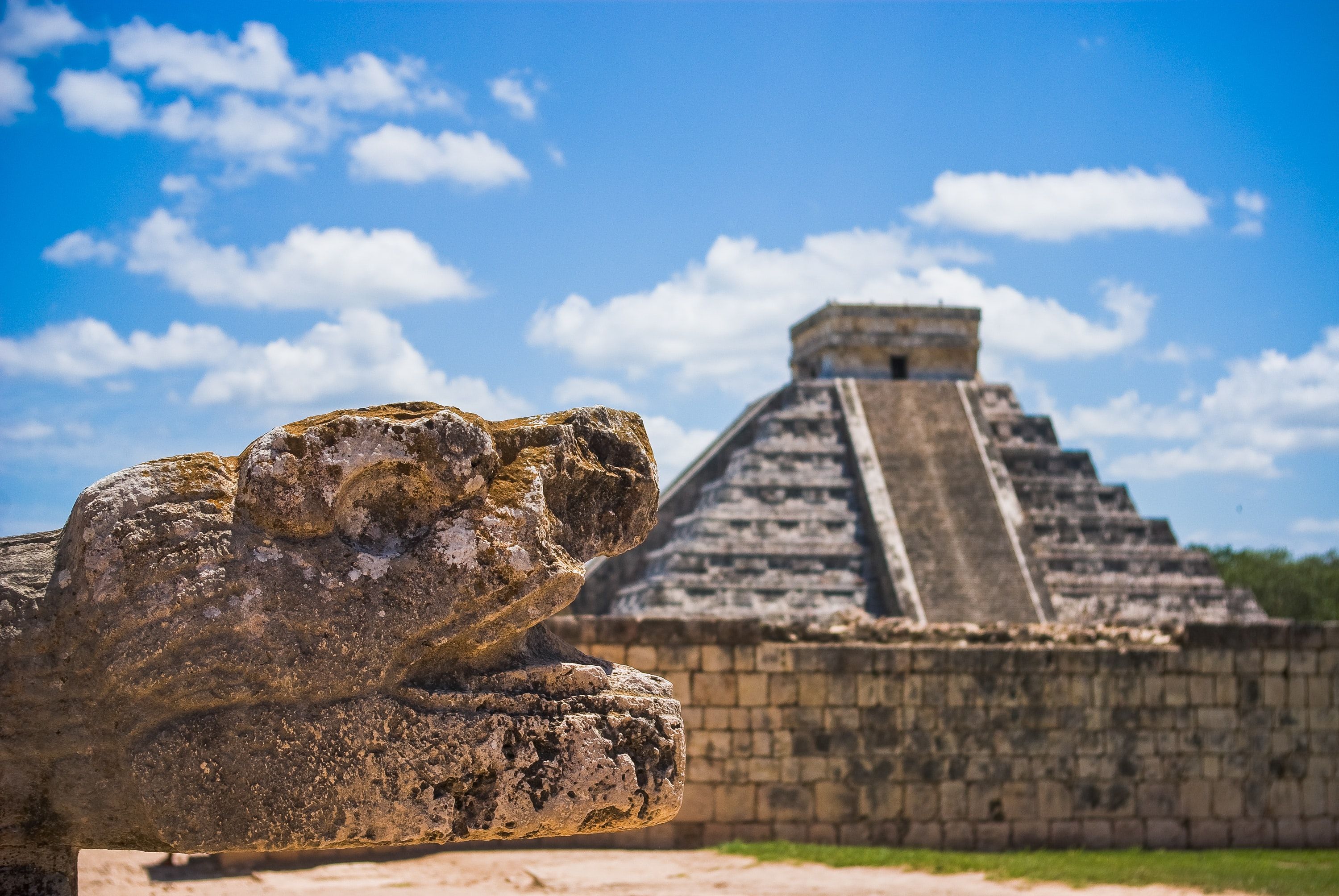
Ruins of Chichén Itzá, Mérida, Mexico
There are many crazy facts surrounding the Chichén Itzá. The site’s architectural layout perfectly aligns with celestial events, particularly the El Caracol structure. Astronomical observations (such as tracking the movement of stars, planets, and the sun) played a significant role in the Mayan civilization’s understanding of time and the universe.
- The strategic placement of structures and the intricate carvings depicting astronomical symbols suggest Chichén Itzá’s function as a sophisticated observatory, highlighting the Mayans’ advanced astronomical knowledge and deep connection to the cosmos.
9.Chichen Itza And Its “Clap Echo”
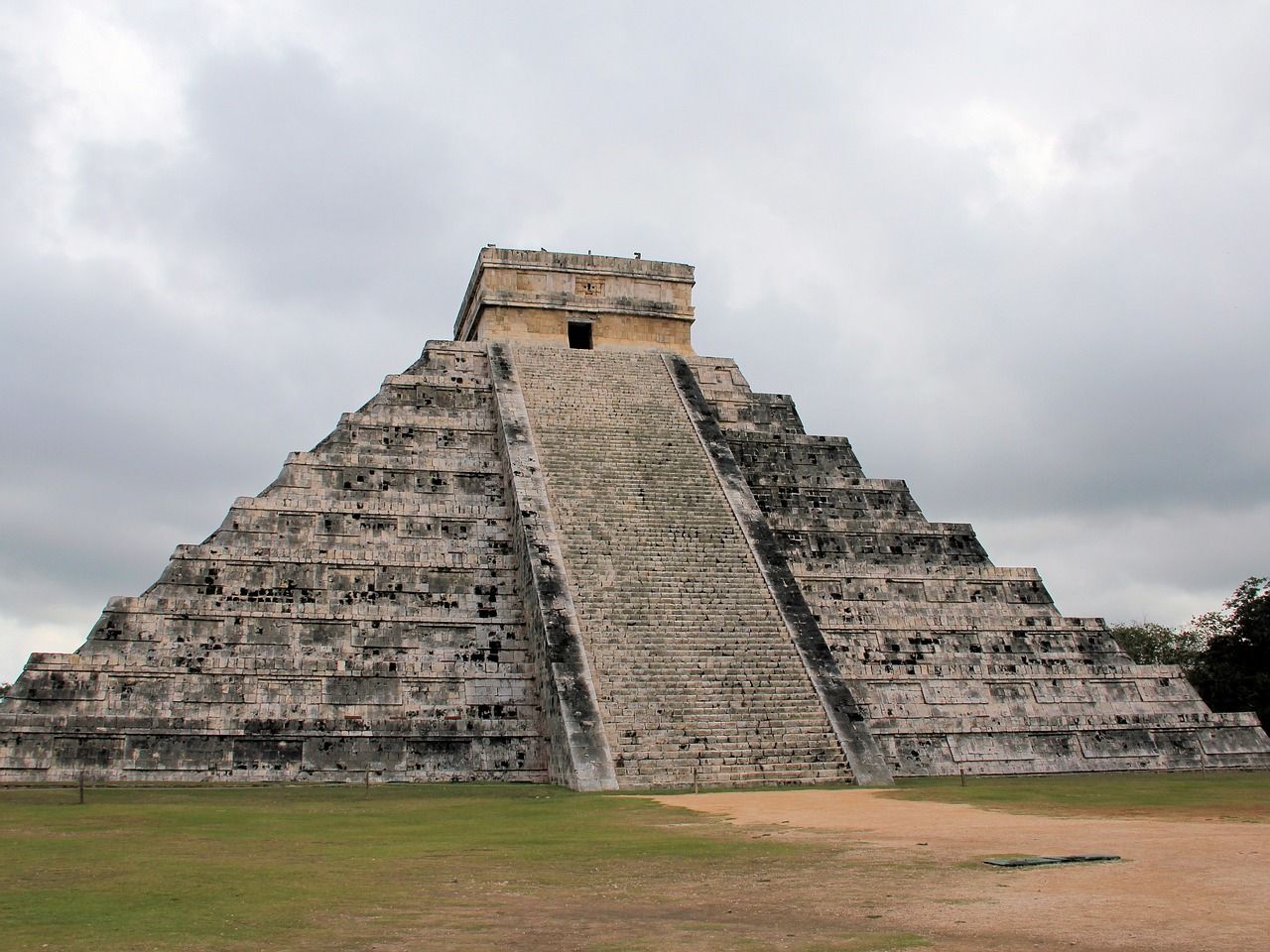
Pyramid of Kukulcan, Chichen Itza, Mexico
The Pyramid of Chichen Itza in Mexico holds a captivating secret: its remarkable acoustic phenomenon known as the “clap echo.”
- When visitors stand in front of the pyramid’s staircase and clap, the sound creates an echo that resembles the chirp of a sacred bird.
This unique acoustic effect has fascinated visitors for centuries and is believed to have been intentionally designed by the ancient Mayans.
The “clap echo” adds to the mystical aura of Chichen Itza, showcasing the Mayan civilization’s advanced architectural and engineering knowledge and their ability to create captivating experiences within their sacred structures.
8.Early Civilizations In Africa Built Pyramids In Sudan
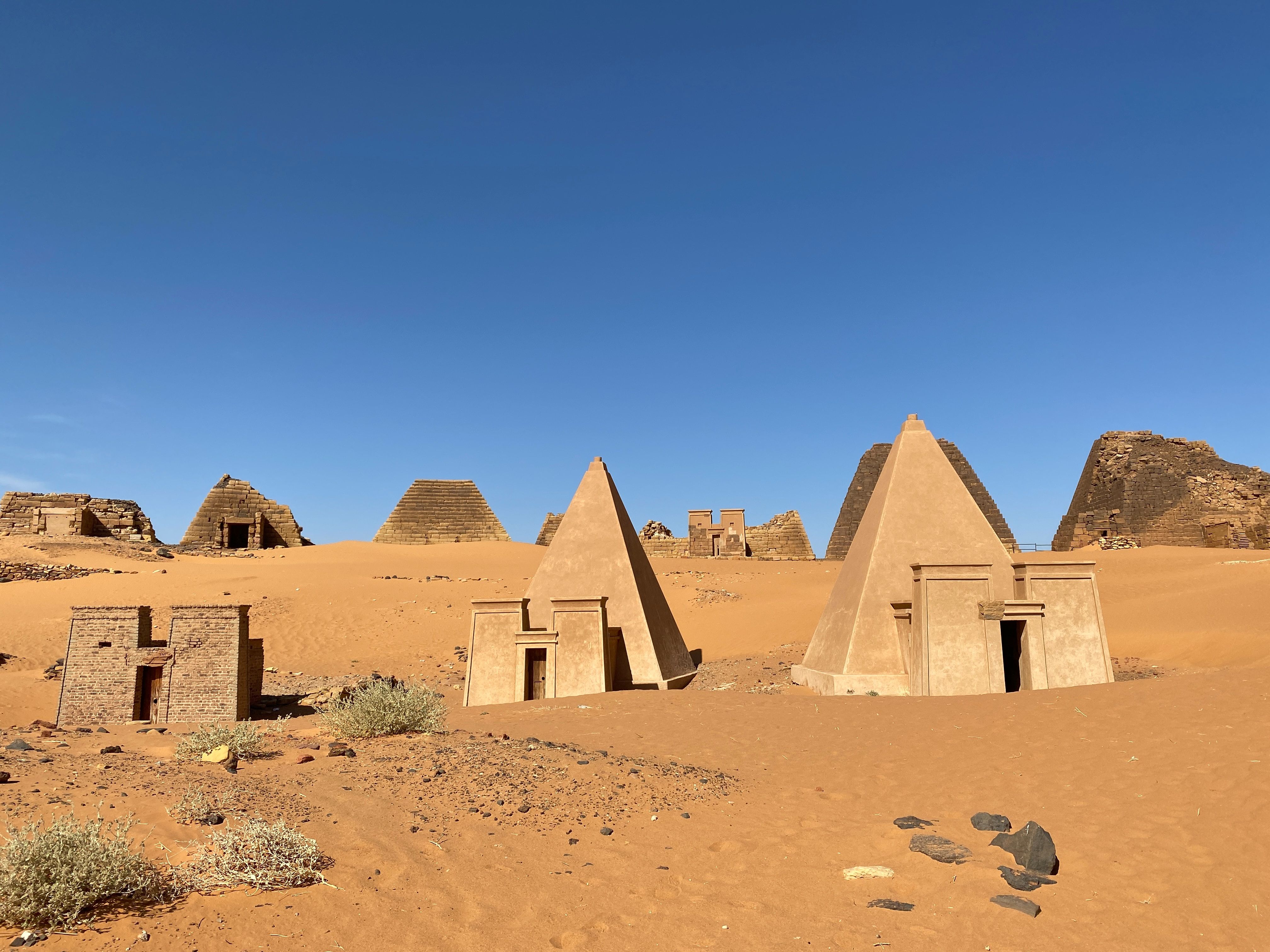
Pyramids in Sudan
The Pyramids of Sudan, particularly those found in the ancient Nubian region, showcase the architectural prowess of one of the earliest civilizations in Africa. Constructed by the ancient Kushite Kingdom, these pyramids predate their Egyptian counterparts by several centuries.
These structures served as tombs for Nubian kings and queens, reflecting the Nubian civilization’s advanced engineering and cultural achievements. The Pyramids of Sudan are a testament to the rich history and remarkable achievements of one of Africa’s earliest civilizations.
7.The Pyramids Were Once Connected To The Nile
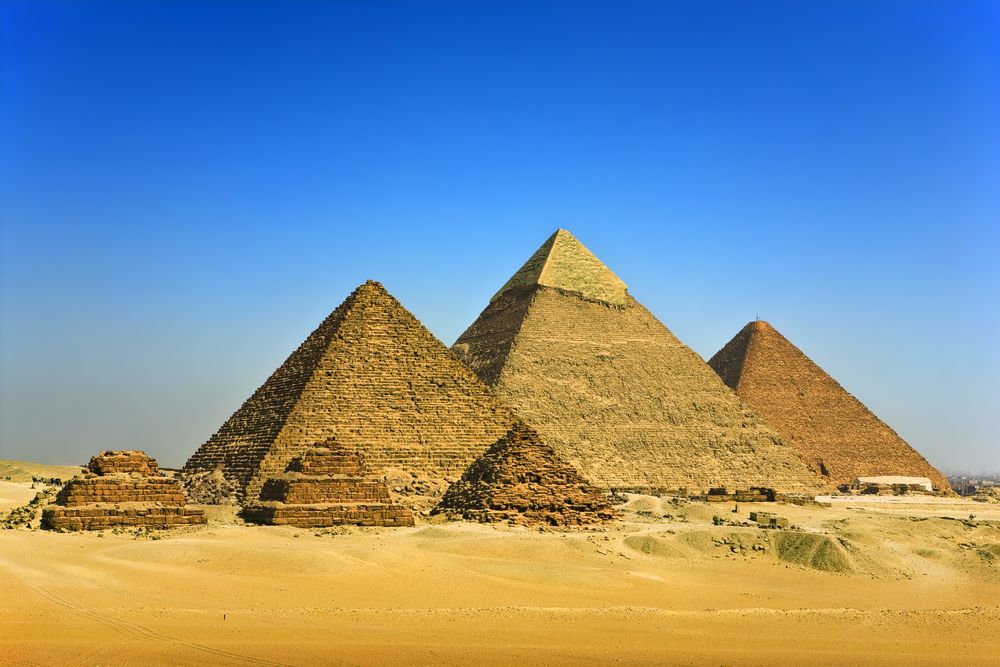
Queens’ Pyramids and the Pyramid of Menkaure
Nile cruises attract thousands of tourists year-round, but the iconic river also has historical importance. The pyramids of Ancient Egypt were not directly connected to the Nile River in terms of physical proximity. However, the Nile River played a crucial role in the construction of the pyramids.
The proximity of the Nile provided easy access to water, allowing the ancient Egyptians to irrigate the surrounding agricultural lands and sustain the workforce required for pyramid construction. The Nile also served as a transportation route, facilitating the movement of construction materials, such as stone blocks, from quarries to the pyramid sites.
While the pyramids were not directly linked to the Nile, the river’s presence greatly influenced the development and construction of these iconic structures.
6.The Pyramids Might Not Have Been Built By Enslaved People
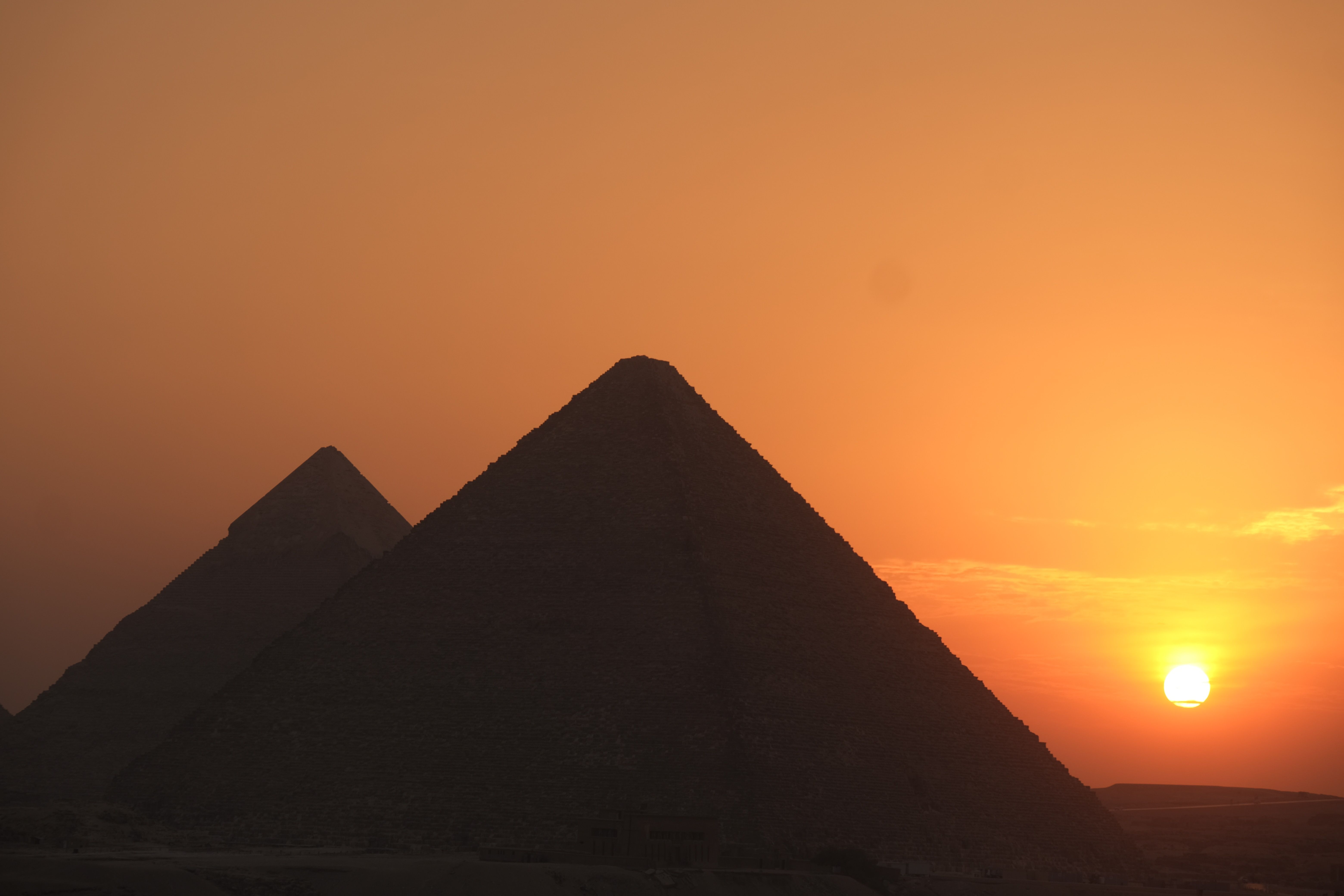
Pyramids of Giza, Egypt
Contrary to popular belief, the pyramids in Egypt were not built by enslaved people. Instead, they were most likely constructed by a massive workforce of skilled laborers and artisans.
- These workers were not enslaved, but rather respected members of society, often recruited from nearby communities during the agricultural off-season.
They were provided with food, accommodation, and payment for their labor. The construction of pyramids was a grand undertaking that involved meticulous planning, organization, and teamwork.
The ancient Egyptians revered deeply for their pharaohs and saw the pyramid construction as a religious duty, resulting in the impressive architectural masterpieces that still stand today.
5.The Pyramids In Peru Are Older Than The Ones In Egypt
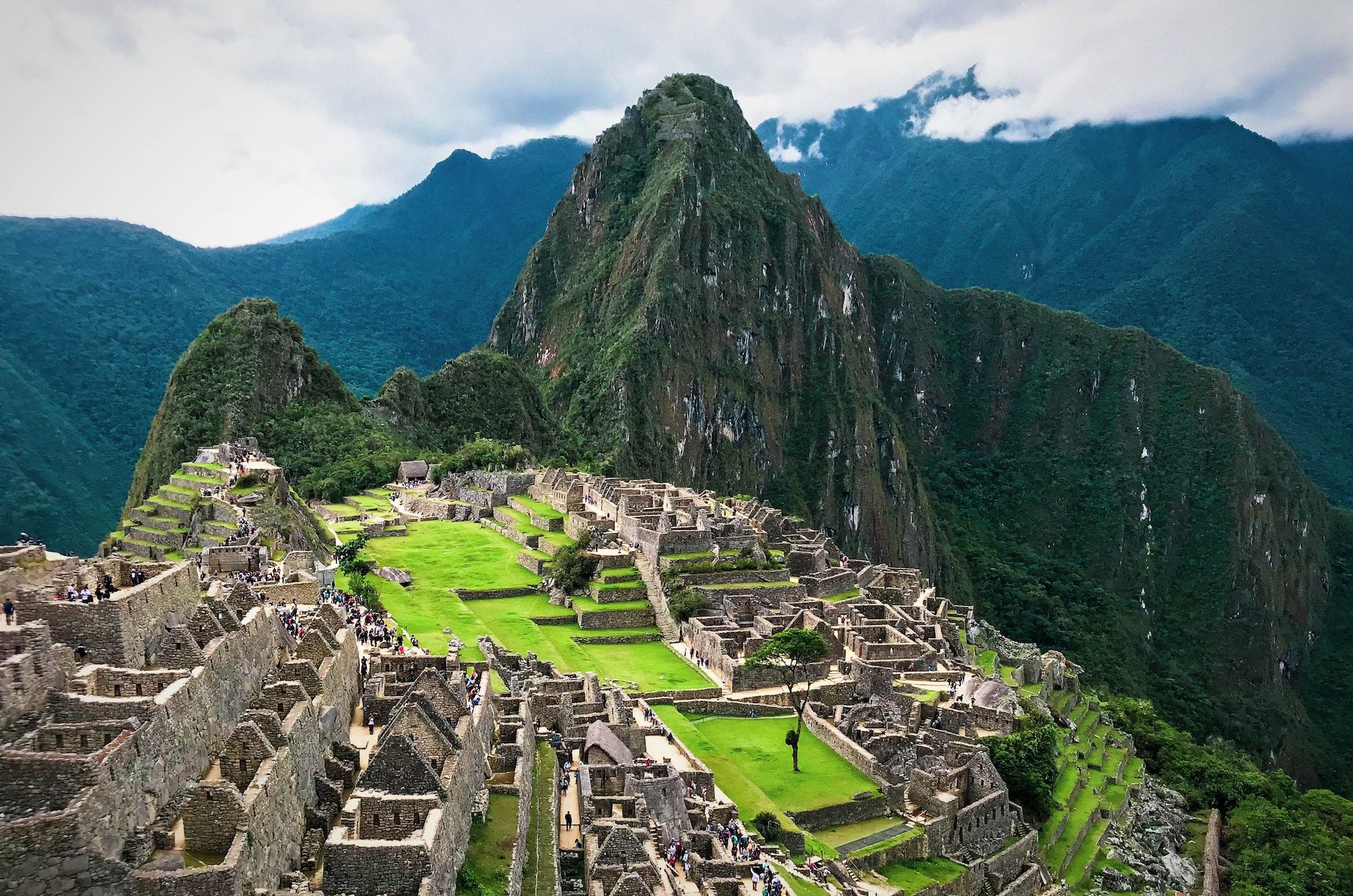
Machu Picchu
While most travelers decide to visit Peru to see the impressive Machu Picchu, there are many other interesting spots within the country. The Pyramid of Caral and the Pyramid of the Huanca in Peru hold a remarkable distinction: they predate the pyramids of Egypt by thousands of years.
- Located in the ancient city of Caral, these pyramids date back around 5,000 years, making them some of the oldest pyramids in the world.
With its stepped design, the Pyramid of Caral served as a monumental structure within a complex urban settlement.
The Pyramid of the Huanca, a smaller pyramid nearby, displayed intricate stone carvings and likely had ceremonial significance. These pyramids stand as a testament to the advanced architectural and cultural achievements of the Caral-Supe civilization in Peru.
4.This Mausoleum Has A Larger Underground Complex
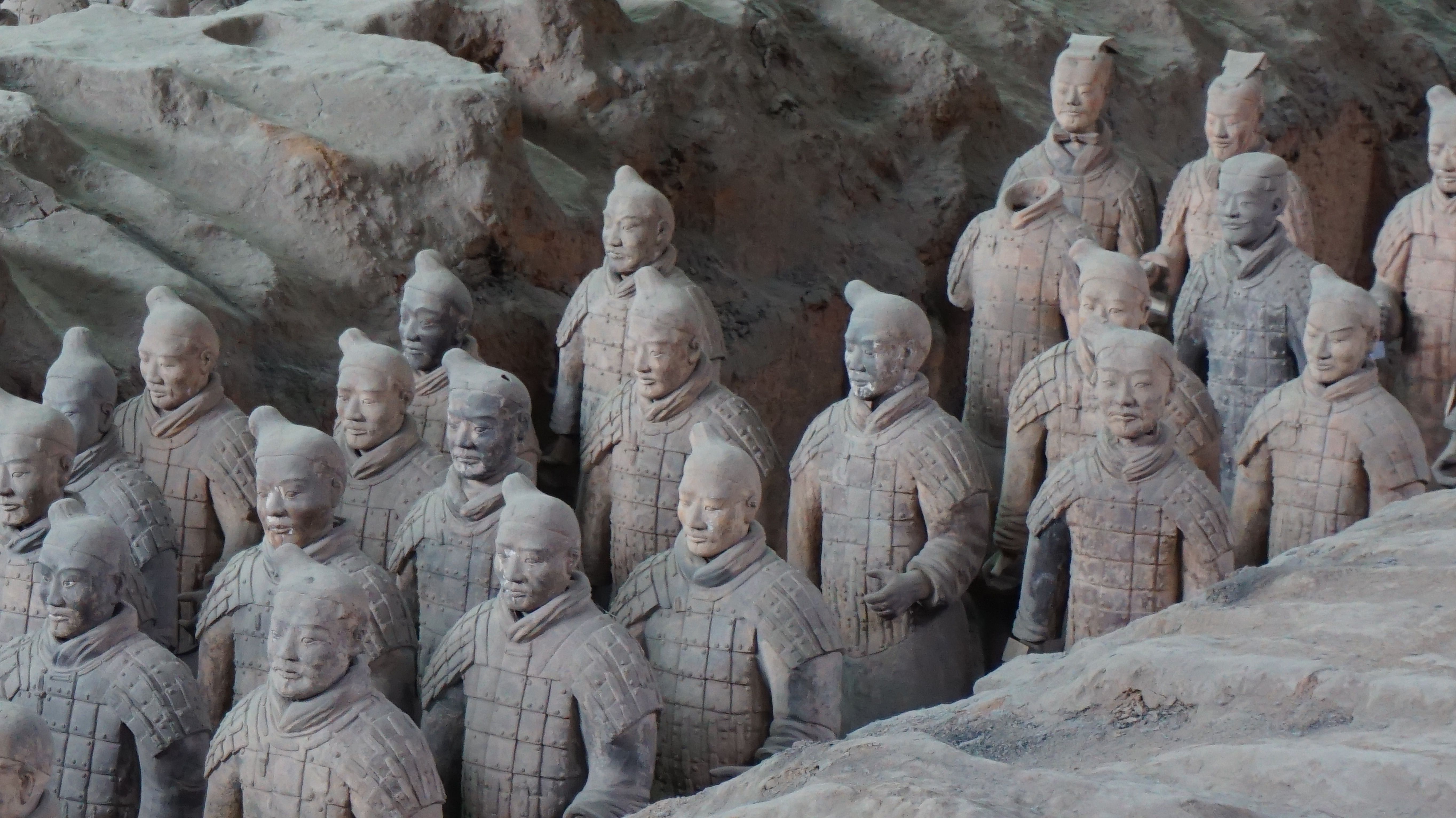
Qin Shi Huang Mausoleum
The pyramid-shaped Mausoleum of the First Qin Emperor, or the Qin Shi Huang Mausoleum, is surrounded by an immense underground complex. While the pyramid is a prominent feature, the underground chambers and passages extend to a vast area around it.
- The underground complex is believed to house various structures, including an intricate network of tunnels, replicas of palaces, and even an underground mercury-filled river to simulate the celestial river.
This vast underground system remains largely unexplored, and its exact extent and purpose continue to intrigue researchers and archeologists.
3.Tikal Has Impressive Acoustic Engineering
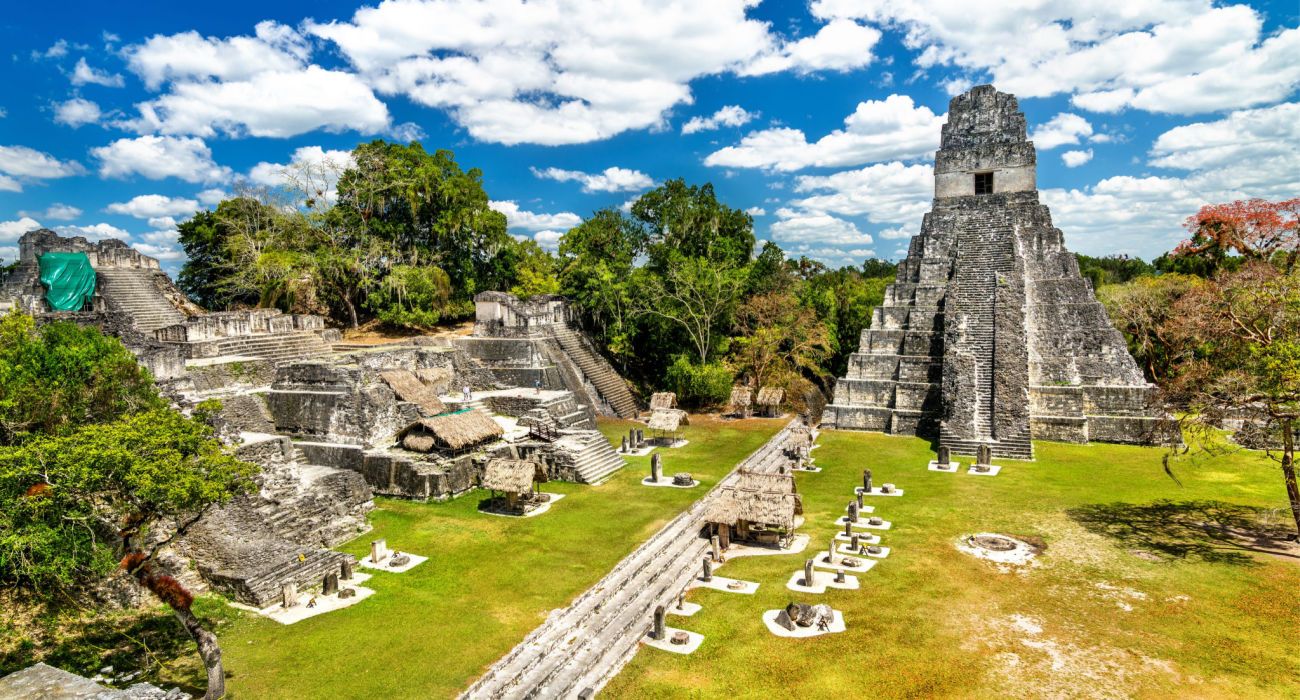
Temple of the Great Jaguar at Tikal
The Mayan pyramids of Tikal in Guatemala go beyond their stunning architectural beauty. Recent studies have revealed their fascinating acoustic engineering. Specific staircases and temple platforms within the pyramids are crafted to produce unique echoes and reverberations when sounds such as speech or clapping are made near them.
These deliberate acoustic properties were purposefully incorporated into the design for ceremonial and religious purposes, creating an immersive and awe-inspiring experience for Mayan rituals.
This sophisticated understanding and manipulation of sound highlight the profound connection between architecture, spirituality, and the sensory experiences of the ancient Mayan civilization at Tikal.
2.Iraque Is Home To Ancient Pyramids
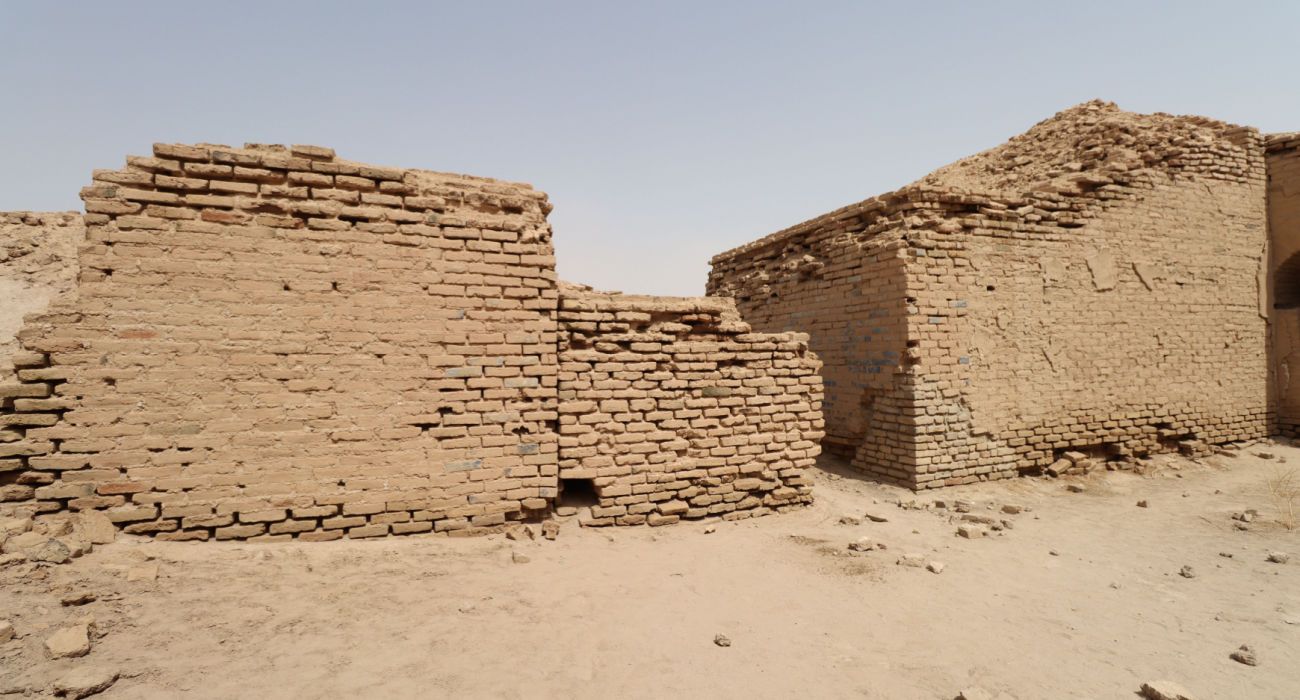
Ruins of Uruk in Iraqi city
The Ziggurat of Ur in Iraq holds immense historical significance as one of the world’s oldest and best-preserved ziggurats. Constructed during the 21st century BCE under the rule of King Ur-Nammu and his successors, this awe-inspiring structure has stood the test of time for over 4,000 years.
- The ziggurat served as a sacred site of worship, symbolizing the connection between heaven and earth in the ancient Sumerian city of Ur.
Its enduring presence offers a tangible link to the rich cultural and religious traditions of the past, immersing visitors in a profound journey through ancient Mesopotamian history.
1.The Pyramid Of Cestius Was Constructed In Less Than A Year
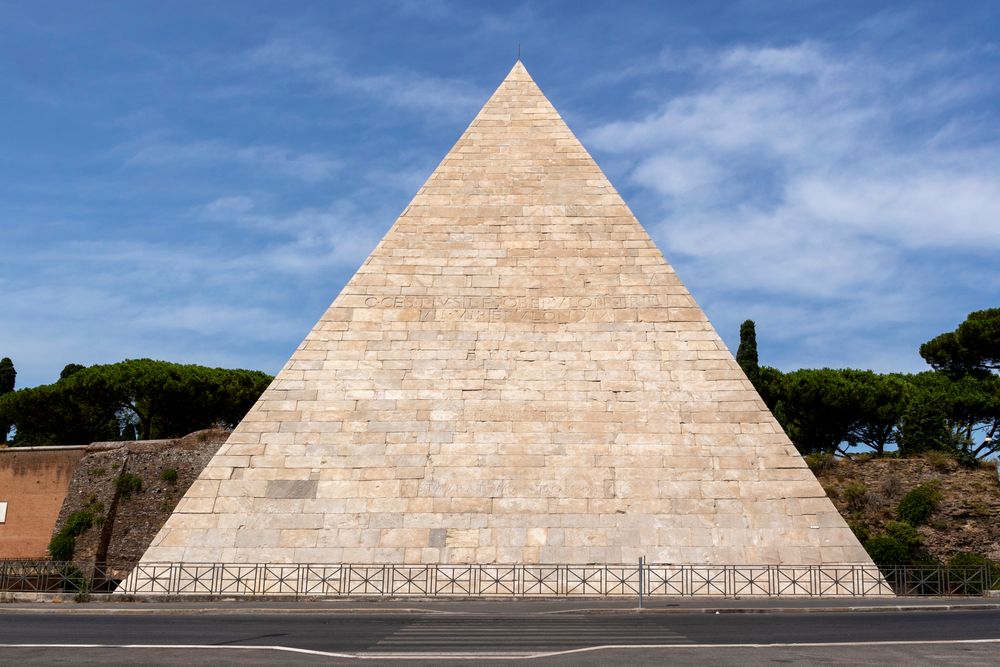
Pyramid of Cestius (Piramide di Caio Cestio oder Cestia) in Rome
Rome’s Pyramid of Cestius has undergone restoration efforts in recent years, leading to public tours becoming available (previously, the Pyramid was not open for tours).
One fun fact about the Pyramid of Cestius is that it took less than a year (330 days) to be completed, according to an inscription on its facade.