



The North American XB-70 Valkyrie is among the most unique aircraft ever developed for the US Air Force. The plane, which sported a triangular wing, powerful engines, and nose canards, was initially designed as the bomber of the future. When the first Valkyrie took flight in 1964, it appeared that the B-52, the jet bomber it was intended to replace, would soon be retired.
But today, the B-52 still remains in the skies and could even fly for another thirty years or so. On the other hand, only two Valkyries were ever produced, and they left the Air Force’s fleet just five years after first taking to the skies in 1969, never developing beyond a pair of prototype jets.
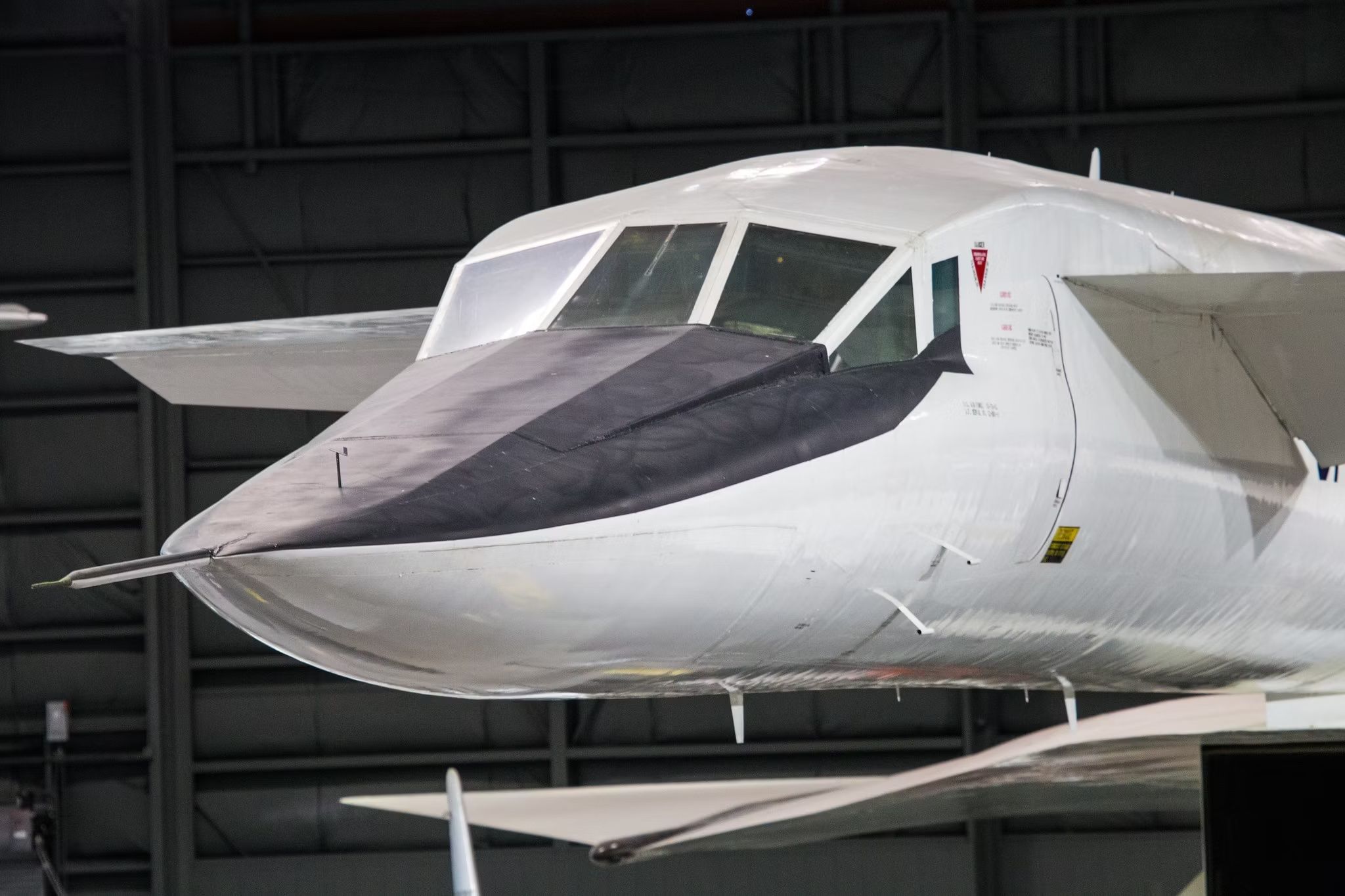
Photo: Clemens Vasters | Flickr
So what made the Valkyrie’s incredible concept so profoundly flawed, and why did the Air Force retire the jet so quickly? In this article, we will take a look at this plane and attempt to answer these questions.
The XB-70’s original mission
Intended to fly at Mach 3, the aircraft was designed to be completely untouchable by enemy interceptors. The only countermeasure for bombers at the time, Soviet fighters would have no chance to stop the XB-70, which would be traveling at three times the speed of sound.
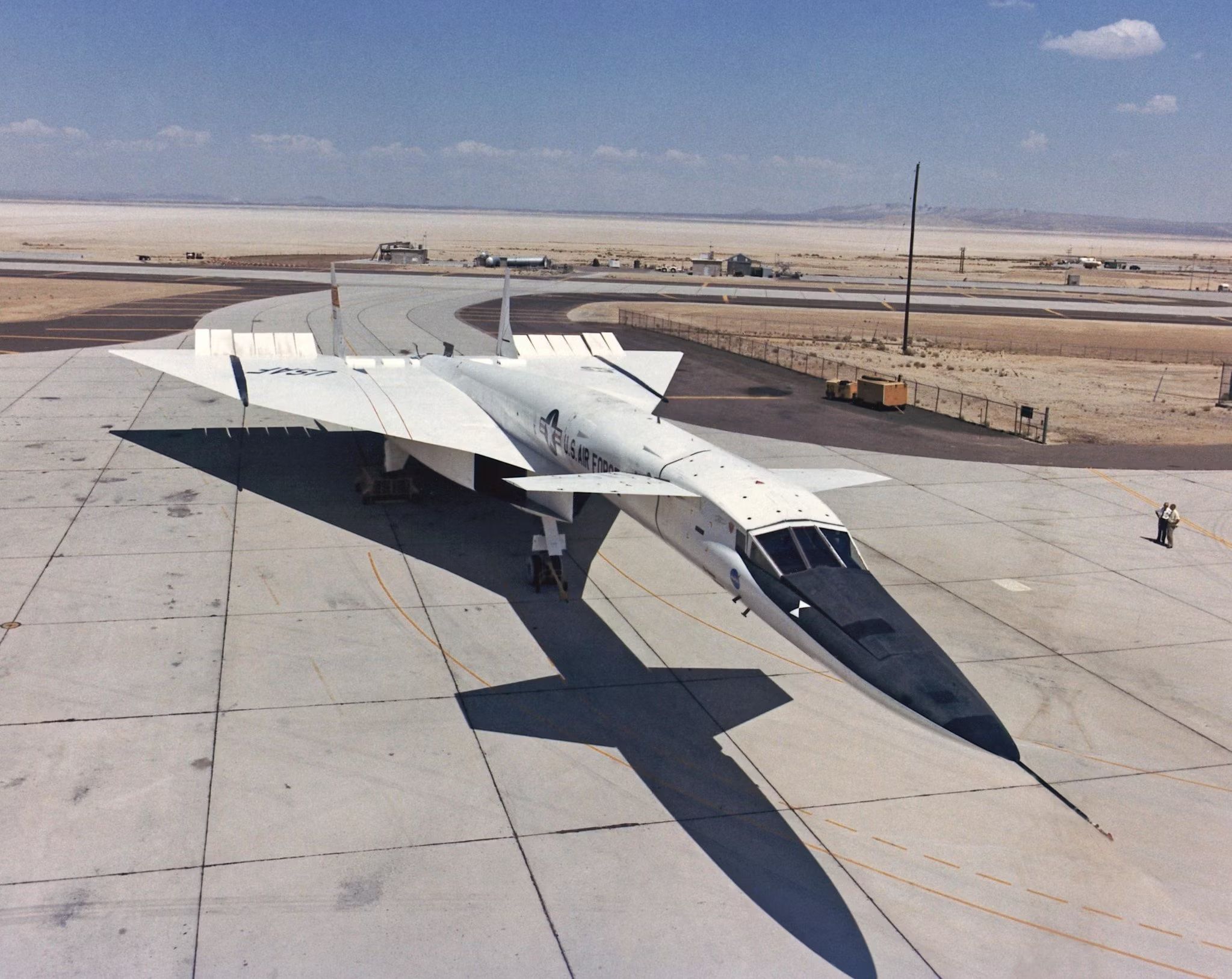
Photo: Mark Jones Jr | Flickr
Furthermore, pinning down the XB-70 would also be demanding. Flying at such incredible speeds, the aircraft would be challenging for enemy radar operators to locate, and even when they did, by the time interceptors were scrambled, it would surely be far too late.
Both of these factors were set to offer significant advantages over the XB-70’s supposed predecessor. Boeing’s B-52 Stratofortress was a far slower aircraft and easily detectable by enemy radar. Furthermore, the B-52 would be far more vulnerable to enemy fighter interceptors.
Technological developments
But by the end of the 1960s, Soviet surface-to-air missiles had been introduced and became particularly effective at intercepting bombers compared to traditional fighter aircraft. These missiles were speedy and could be set to target a Valkyrie, even when flying at over three times the speed of sound.
Initially, the Air Force had a solution for this issue. In order to avoid easy detection and tracking by nimble surface-to-air missiles, the Valkyrie would fly at significantly lower altitudes and perform its missions closer to the ground.
However, this solution ultimately proved ineffective. Flying close to the ground, the Valkyrie was easily detectable and could be targeted by enemy radar. At this height, the aircraft became vulnerable to fighter interceptors.
Ultimately, the Air Force determined after extensive analysis that the XB-70 performed roughly the same as the B-52 Stratofortress under these new conditions. With this in mind, and due to the incredible cost of the XB-70 program and its high operational costs, the Air Force abandoned the program in 1969, with only two Valkyries ever being built.