



The Avro Lancaster was a British bomber and a crucial aircraft for the Royal Air Force (RAF) of the United Kingdom during the Second World War. More than 7,000 examples were built, a majority of which were used during strategic bombing missions over Europe.
Simple Flying put together salient characteristics of the Lancaster bomber. Let’s take a look!
1.Operated by a large crew
Avro Lancaster required a basic crew of seven individuals
| The basic crew comprised | Responsibilities |
| A Pilot | Flight operations |
| A Flight Engineer | Checklists, vigilance, and instrumentation |
| A Bombardier | Responsible for the bomb’s bay |
| A Navigator | Navigation and targets |
| A Radioman | Radio control and communication |
| Two Gunners | From and rear gun operators |
The versatility of the Avro Lancaster required the help of seven crew members. Apart from the commander and flight engineer, the aircraft required designated individuals to operate bombs, navigate, control, communicate, and use guns. During the operational career of the aircraft, most crew members were young army fighters who supported the missions, particularly the strategic bombing missions across Germany.

“The Lancaster’s operational career is littered with impressive statistics, some are set out below, but it is worth remembering that the average age of the seven-man crew was only 22 years. They endured danger and discomfort and many showed great courage in continuing to fly knowing the odds against survival were high. Bomber Command suffered the highest casualty rate of any branch of the British services in World War Two.”
2.An enormous fleet committed to one mission
More than 7,000 of the type were used for bombings over Germany
| Total Lancaster aircraft produced | 7,377 |
| Major companies building the aircraft | 6 |
| Number of factories | 10 |
| Total companies involved | 920 |
| Total workforce across all companies | Over 1.1 million |
The Avro Lancaster was one of the most significant aviation projects during the Second World War. Hundreds of companies across various locations came together to build what would become the primary heavy bomber to be taken over the land of Nazi Germany.

“The industrial and military organization needed to build and operate the Lancaster was huge. Six major companies built 7377 aircraft at ten factories on two continents; at the height of production over 1,100,000 men and women were employed working for over 920 companies. More service personnel were involved in flying and maintaining it than any other British aircraft in history.”
3.Its weapons bay
The spacious bomb bay carried a variety of high-explosive armaments.
| Bombs bay capacity | 14,000 lbs (6,400 kg) |
| High-blast cookie (cylindrical) | 2,000 or 4,000 lbs (900 kg or 1,800 kg) |
| Normal war bombs | 1,000 or 2,000 lbs (450 or 900 kg) |
Avro Lancasters were used on some of the highly challenged missions, particularly for strategic night bombing missions over Europe during the Second World War. The aircraft could carry over 14,000 lbs (6,400 kg) of mixed bombs.
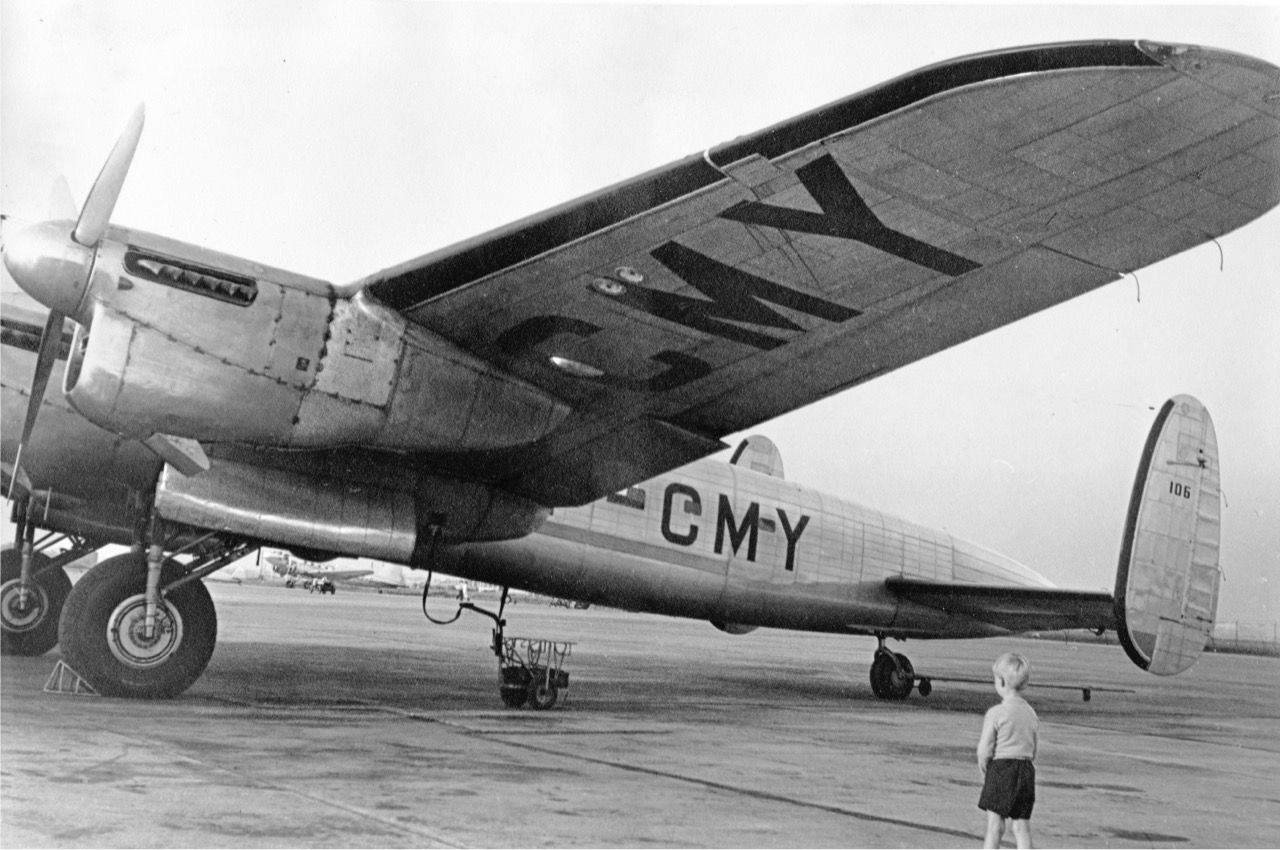
From specialized cylindrical bouncing bombs to high-blast war bombs, the Lancaster had the required capacity. The aircraft played a prominent role, particularly during the last few years of the war. As the RAF mentions,
“For the last three years of the Second World War, the Avro Lancaster was the main heavy bomber used by Bomber Command to take the war to the heartland of Nazi Germany.”
4.Specialized bouncing bombs
These weapons could bounce to a target across water
- On the night of May 17, 1943
- Used in Mohne, Sorpe, and Eder hydroelectric dams
Lancasters used specialized bounding bombs that could precisely bounce and spin across the water to the target. The movement was designed to avoid any obstacles, such as torpedo nets, and effectively reach the predetermined target. The bomb will bounce several times while moving horizontally at a high speed. Each subsequent bounce is smaller until the target is reached. The final bounce ensures that the bomb is in the vicinity of the target.
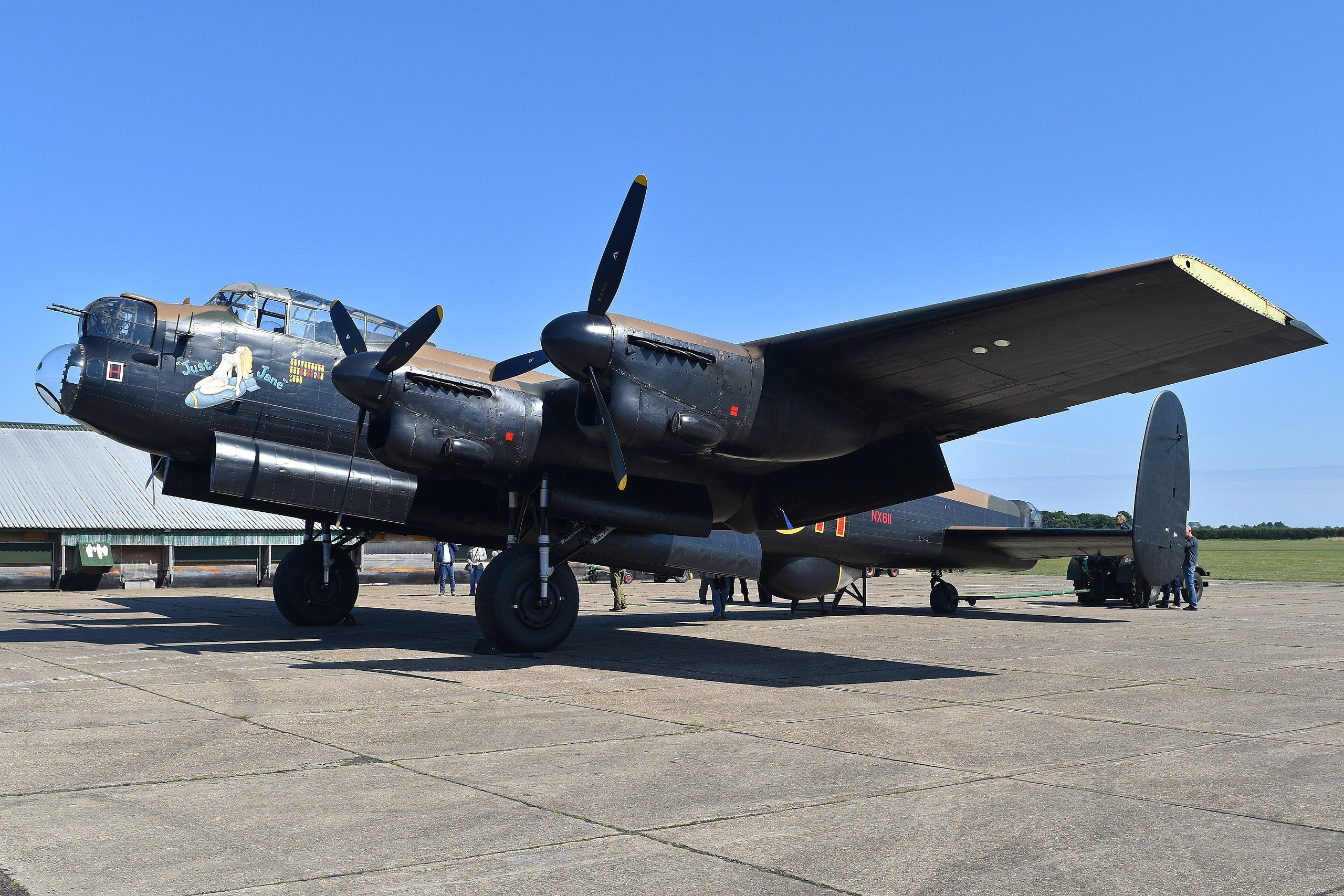
Bouncing bombs were used on various hydroelectric dams. When released at low altitudes, the bombs would surround the dam as they sank before detonating at the set depth. A hydrostatic fuse enabled the detonation of the bomb close to the target.
5.An alternate engine type
The Lancaster program faced a shortage of Merlin engines
| Number of Engines | 4 |
| Engine Type | Rolls-Royce Merlin V-12 Piston Engine |
| Power per engine | 1,280 hp (950 kW) |
The RAF Air Ministry was fond of the aircraft’s capabilities and critical role during World War II. The pilots were equally satisfied with the aircraft’s ease of use and operational versatility. The aircraft had a range of 1,660 miles (2,670 km) with a full bomb load. A set of famous liquid-cooled piston engines, Rolls-Royce Merlins, to be precise, provided the power required to achieve the mission.

During its tenure, the Lancaster program faced a shortage of Merlin engines. As such, some examples were powered by Bristol Hercules air-cooled radial engines, which proved less capable during operations. As a result, the Packard-built Merlin engines were imported from the United States.