



One of the most iconic technological marvels to be brought forth as a result of the Cold War, was the SR-71, unofficially known as the “Blackbird. The SR-71 served the US as a long range, strategic reconnaissance aircraft.
The SR-71 is so incredible, we have to talk a bit about its details and development
The SR-71 was developed by Lockheed Martin’s Advanced Development Department (aka the Skunk Works), headed by lead engineer, Kelly Johnson. As a result of the extreme project requirements, Johnson stated “Everything had to be invented. Everything.”
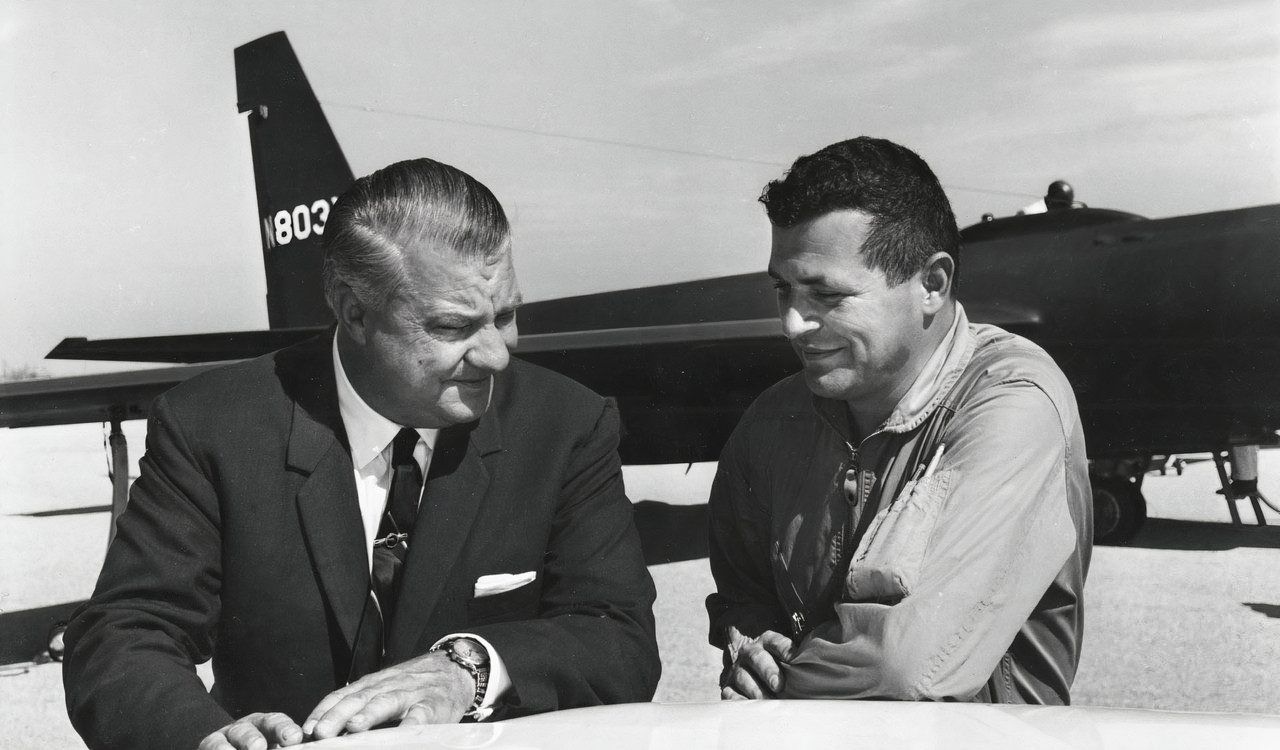
Photo: Lockheed Martin
Two of the extreme requirements for the perspective SR-71 were that it needed to operate above 80,000 feet and have a speed that could exceed 2,000 mph. Incredibly, operating at such a velocity, friction with the atmosphere generates temperatures capable of melting a conventional airframe. The answer was to engineer and build a fuselage consisting of titanium alloy, which was both lightweight and durable under excessive temperatures.
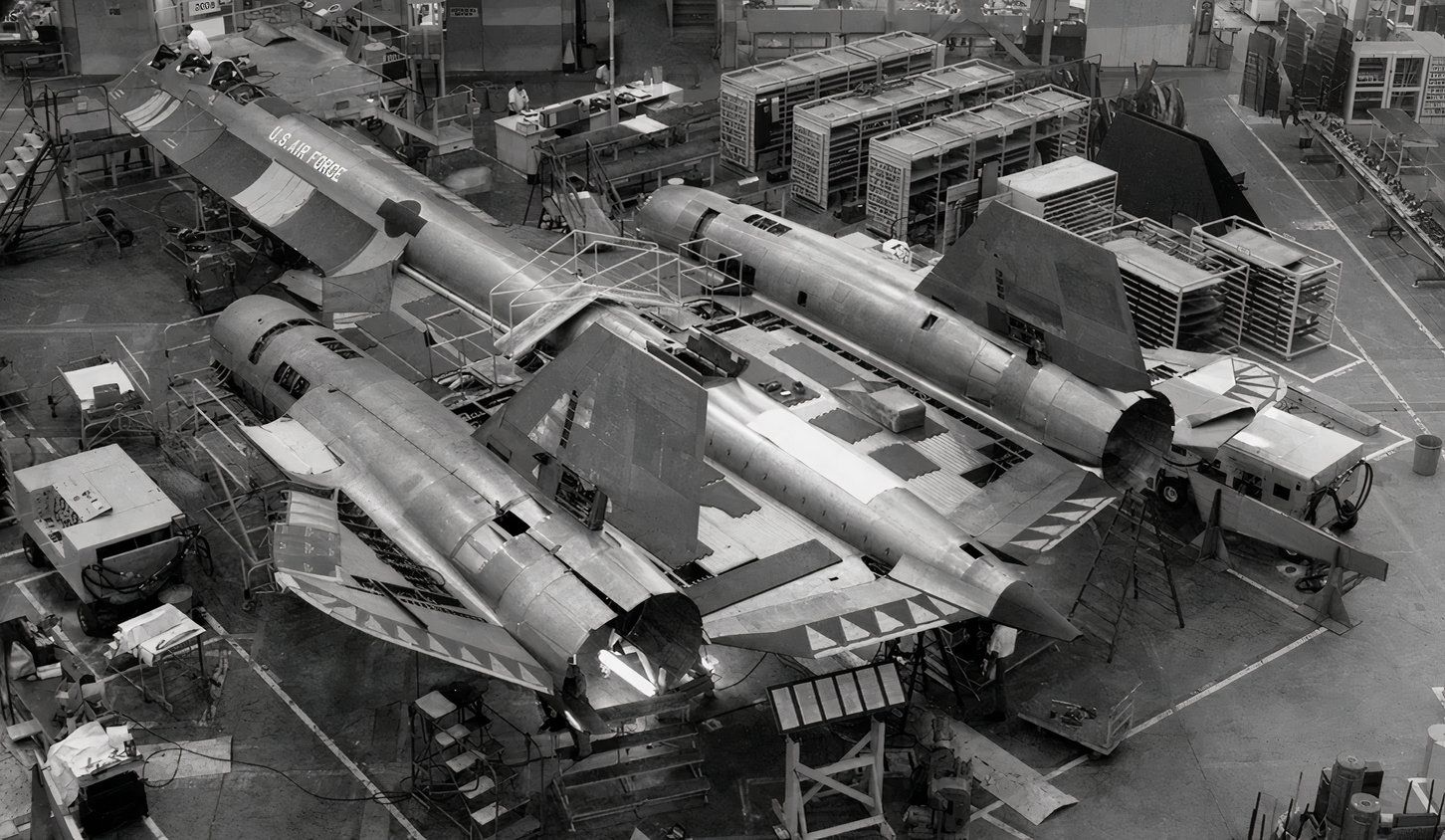
Photo: Lockheed Martin
In addition to its titanium exterior, the SR-71 was engineered with radar-absorbing composites for its leading edges and tail fins. Additionally, its distinctive black paint included ferrite particles which absorbed radar energy. Its blended fuselage and wings in addition to it sharp-edged projections along its sides further reduced radar reflection.
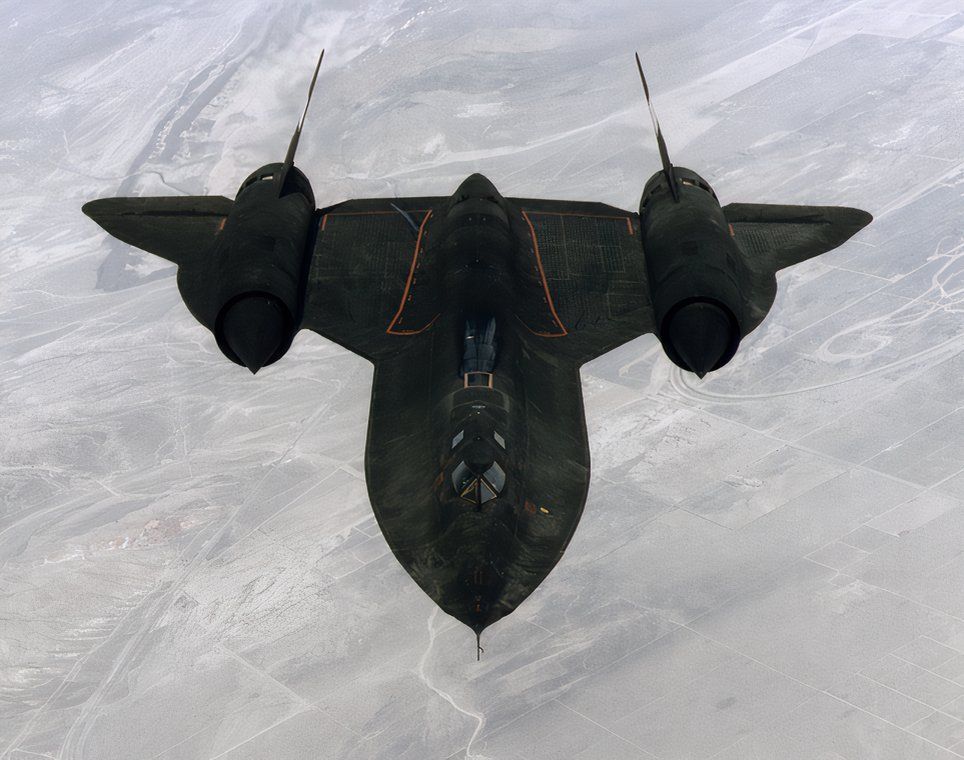
Photo: NASA
The first flight of the SR-71 took place on December 22, 1964 and it entered service with the US Air Force in January 1966.
Specifications for the SR-71 “Blackbird”
| General Specifications | Related Data |
|---|---|
| Powerplant | Two Pratt & Whitney J58s of 32,500 lbs. thrust each with afterburner |
| Crew | Two |
| Maximum speed | Mach 3+ (three times the speed of sound) or over 2,000 mph |
| Range | More than 2,900 statute miles |
| Ceiling | Over 85,000 ft. |
| Wingspan | 55 ft. 7 in. |
| Length | 107 ft. 5 in. |
| Height | 18 ft. 6 in. |
| Weight | 140,000 lbs. loaded |
1. The cockpit was protected by a canopy with quartz windows
The unique windows protected the SR-71 crew from the intense heat outside the aircraft
While conducting sensitive missions, the need for speed (the Top Gun quote was unplanned!) was of critical importance. This of course, was needed so the SR-71 could outrun any possible interceptor aircraft, but also to outrun surface-to-air missiles that might be fired at it.
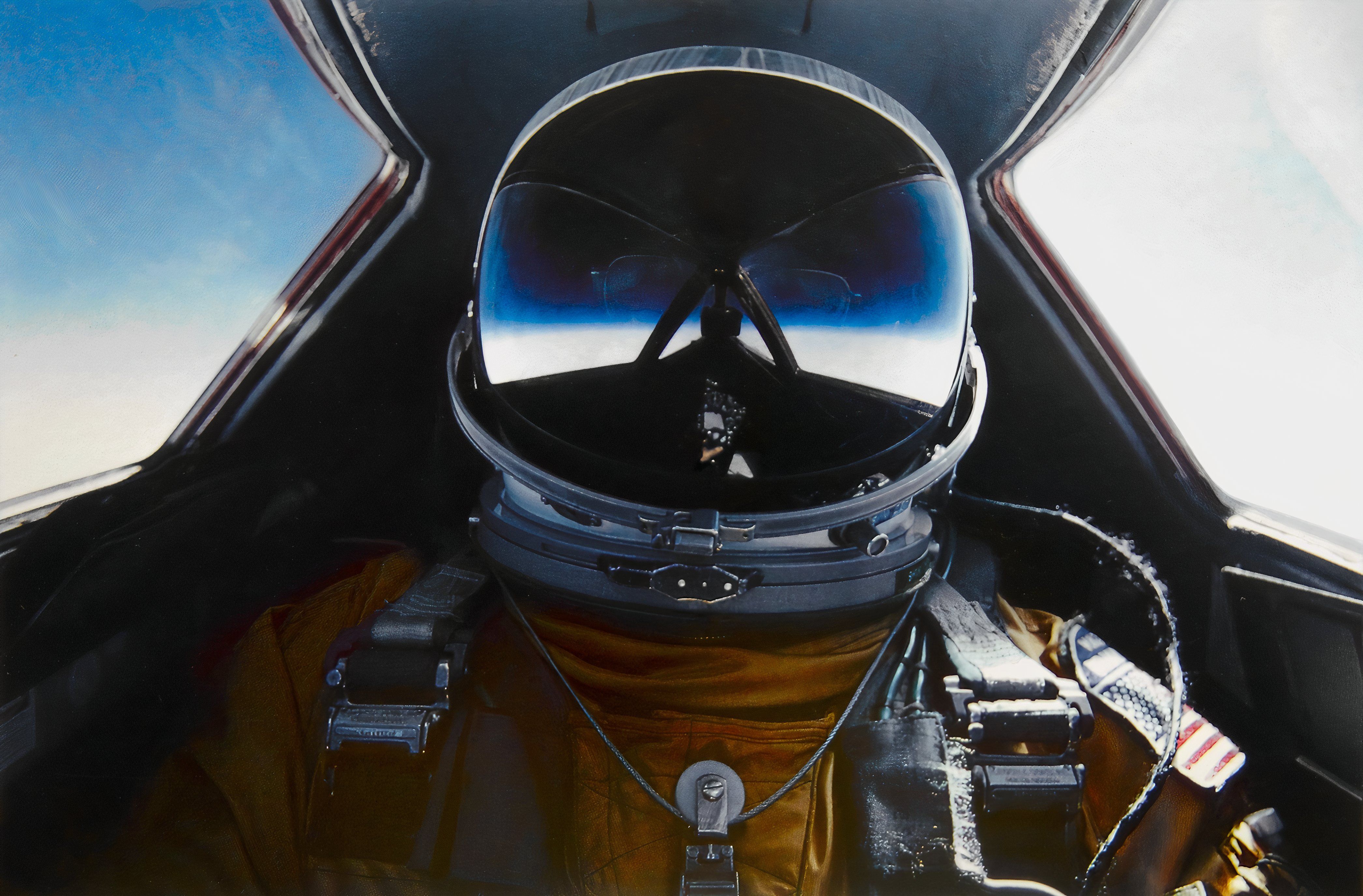
Photo: USAF | Brian Shul | Wikimedia Commons
In order to keep the pilot and the rear seated Reconnaissance Systems Officer (RSO) safe from the intense heat, the windows/windshield was made out of 1.25-inch-thick quartz glass. This would prevent any blurring or distortion of the glass under the extreme conditions outside the aircraft.
…cockpit temperatures could reach temperatures substantially below –30°F, in general the aft cockpit was colder.
2. Map projector
The pilot and RSO accessed detailed maps and mission data via their own map projector
Both the pilot and the RSO had their own uniquely designed and independently controlled map projector in front of them. The map projector displayed the route of the mission, mission data and emergency information; new filmstrips were provided for each mission.
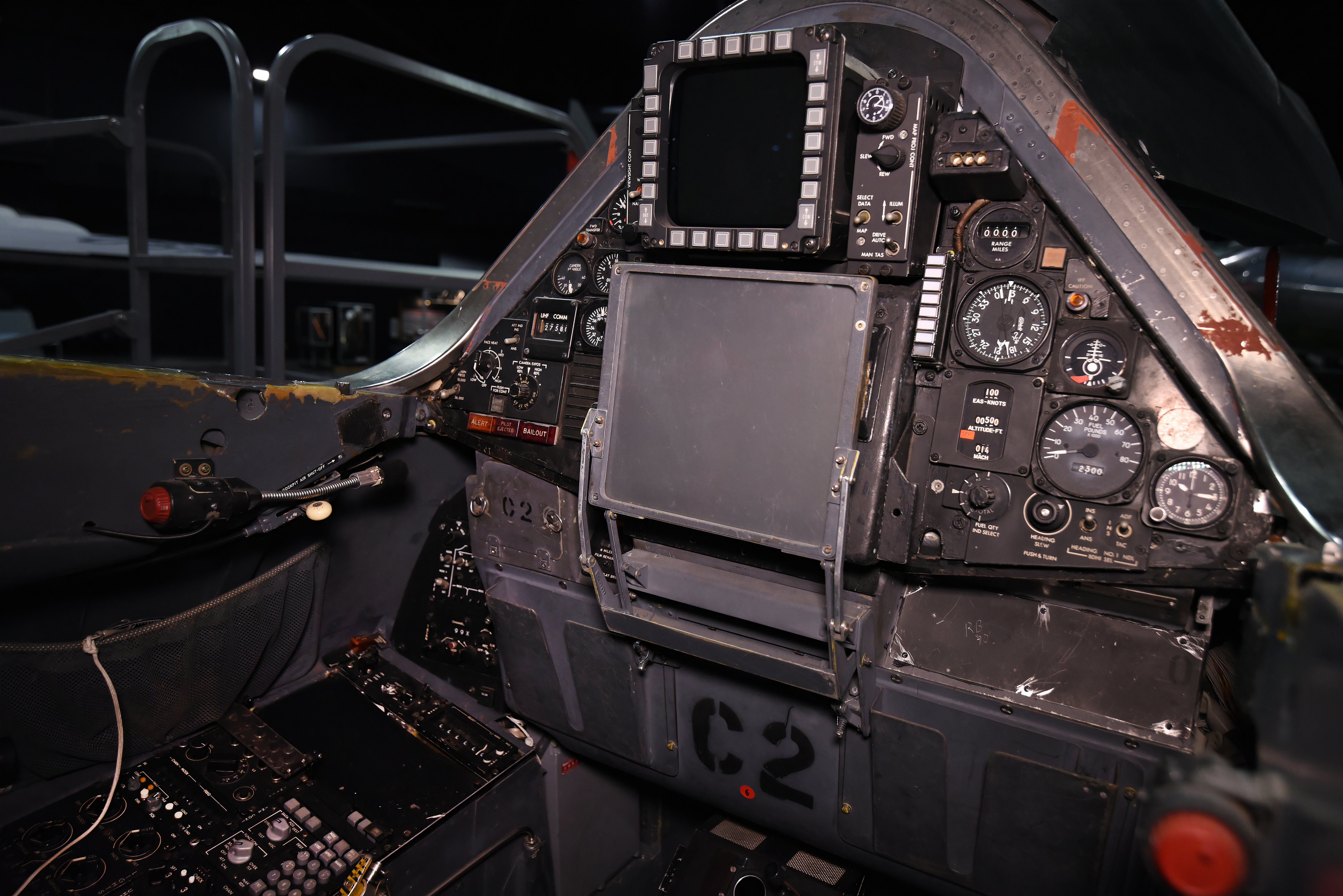
Photo: USAF
The map projector is the larger screen
The pilot had a 4-1/4x 4-1/4 display screen while the RSO had a 9×9 inch display screen. The map projector would run 35mm film at a rate of movement that always corresponded to 250 nautical miles per inch. The map projector was intended for use with map films that were scaled at 365 nautical miles per square inch.
3. Environmental control panel
The SR-71 pilot could control the heating and cooling in the cockpit due to extreme temperatures
The exterior of the SR-71 reached temperatures that would well overcook a pizza in milliseconds. This heat could cause overheating issues in the cockpit; conversely, the interior of the cockpit could become quite cold. In fact, cockpit temperatures could reach substantially below –30°F; in general, the aft cockpit was colder.
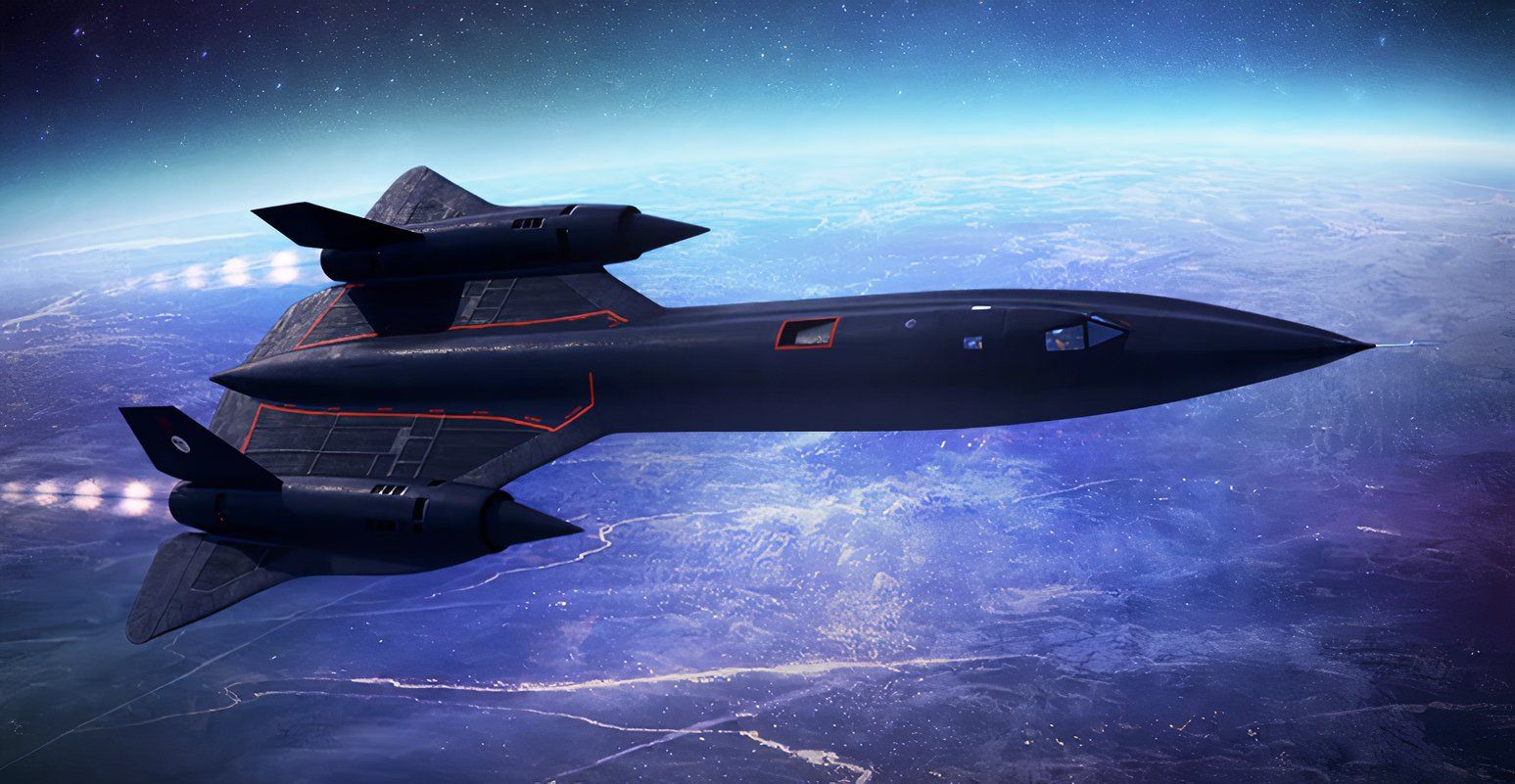
Photo: Lockheed Martin
The cockpit temperature issues were taken care of with the use of the Environmental Control Panel (ECP), to the left of the airspeed indicator.
Views from below the aircraft were seen on a five-inch display, and it was used for fixing the aircraft’s position…
Issues with high cockpit temperatures:
- Bay Air Switch: In case of overheating, this switch could be turned off to allow the maximum amount of cooling air available to the cockpits closes the nose air shutoff valve.
- Cockpit Temperature Override Switch: This can be engaged (held on “Cold” if the automatic temperature control is ineffective.
- Manifold Temperature Switch: If there is no decrease in cockpit temperature within 30 seconds, this switch can be held on “Full Cold”
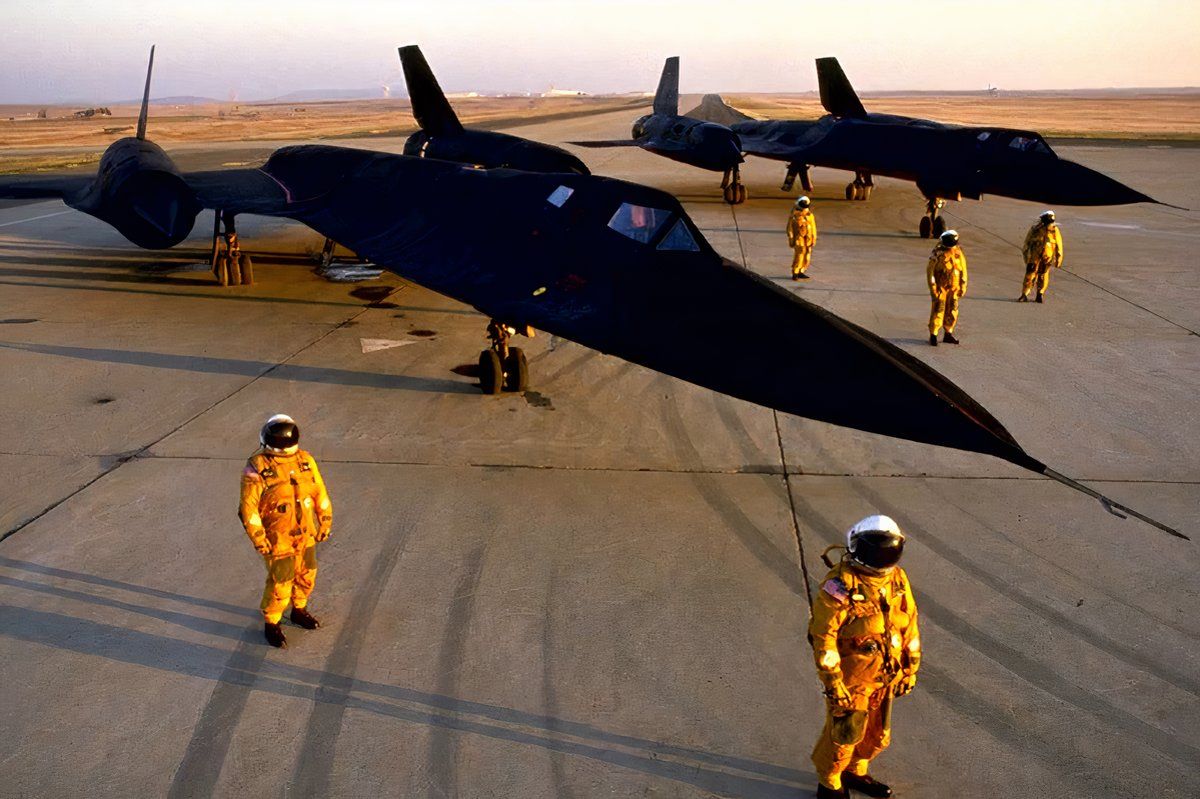
Photo: USAF | Airman 1st Class, Jean Betreaud
Issues with cold cockpit temperatures:
- Defog: This can be engaged in event of the cockpit being too cold it the automatic and manual controls are ineffective.
- Cockpit Temperature Override Switch: This can be engaged (held on “Hot” if the automatic temperature control is ineffective.
- Refrigeration Switch: This can be turned to the “Off” position if the cockpit remains uncomfortably cold
4. Video Viewsight
The RSO could peer beneath the aircraft
The video viewsight was used by the RSO and it was an electro-optical system for viewing below the aircraft. Views from below the aircraft were seen on a five-inch display, and it was used for fixing the aircraft’s position in conjunction with the Astroinertial Navigation System (ANS).
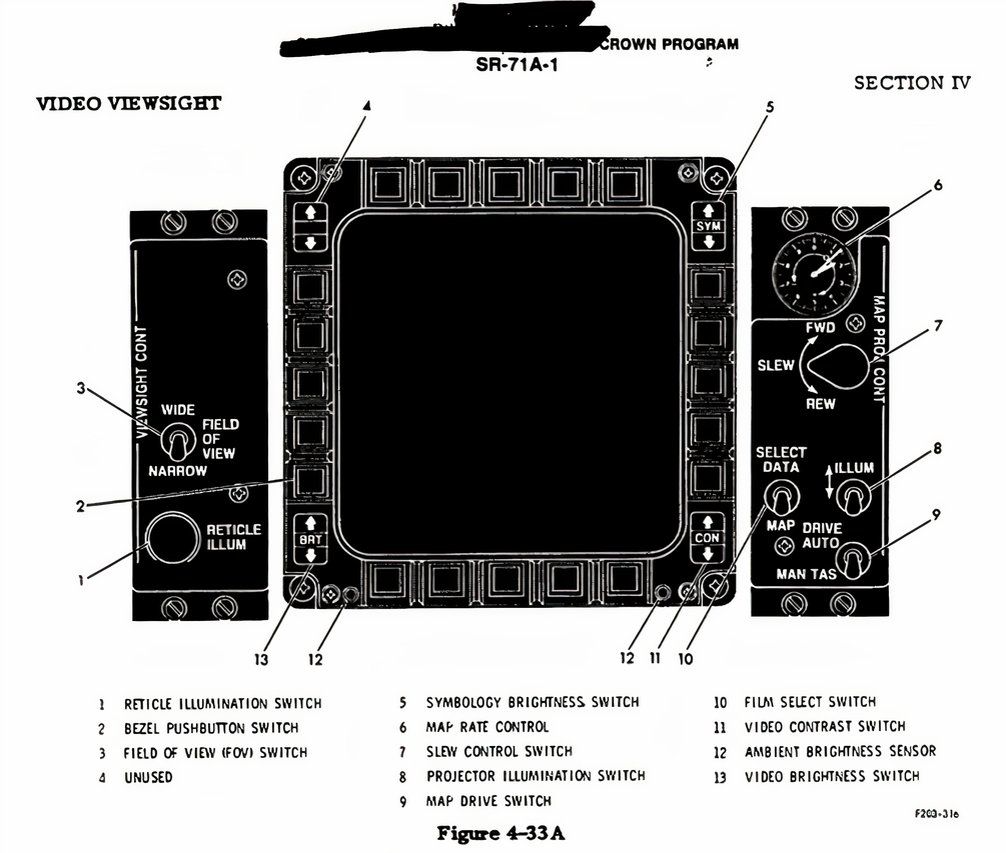
Photo: US Department of Defense
The ANS system (later nicknamed R2-D2) would fix the aircraft’s position using stars sighted through its lens positioned on top of the aircraft. These fixes would be used to update the internal navigation system and provide course guidance with an accuracy to within 300 feet.
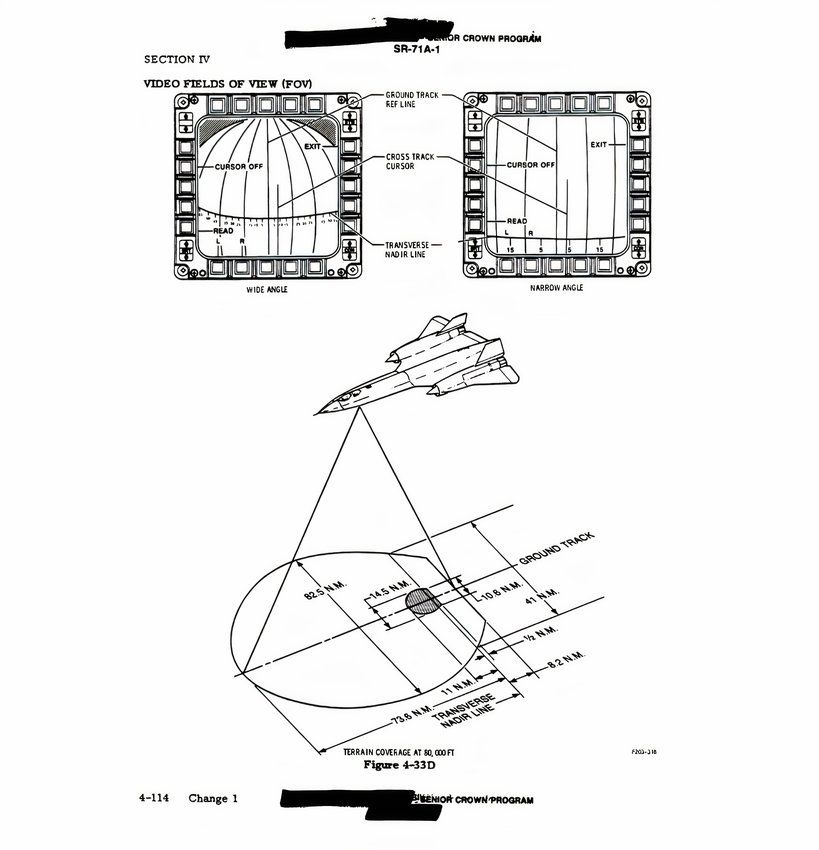
Photo: US Department of Defense
5. Nitrogen pressure indicators
This gauge kept track of the vital nitrogen pressure within the SR-71
The SR-71 had six fuel tanks within its inner wings and upper fuselage. When the tanks were full, the SR-71 could carry 80,000 pounds of JP-7 fuel . As the tanks emptied, liquid nitrogen would be pumped into the empty fuel tanks, replacing the volatile vapors and ensuring that the empty tanks did not collapse from high air pressure.
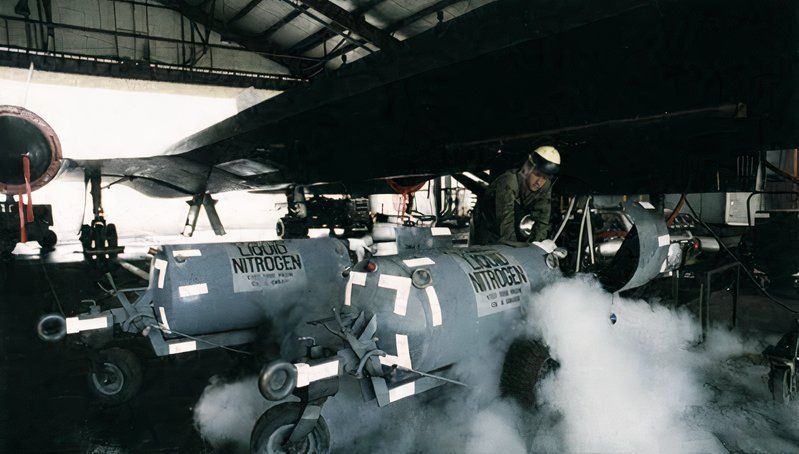
Photo: Lockheed Martin
The liquid nitrogen was stored in three Dewer flasks located in the nose wheel well. Each Dewer flask contained 260 liters of liquid nitrogen. The nitrogen indicators would likely have monitored the pressure within the three flasks.
SR-71, the high-flying spy
The SR-71 was an incredible aircraft that had the capability to fly at incredible speeds at the edge of space. This allowed the US intelligence community to collect vital information on areas of interest around the world, areas that lower flying aircraft could not access safely. While on a mission and flying at maximum speeds of over Mach 3, the SR-71 had to worry very little about surface-to-air missiles or enemy interceptor aircraft.
The USAF retired the SR-71 from service in 1989, briefly reactivated it in the 1990s and finally retired the aircraft in 1998. Following its military service, NASA used the aircraft for high altitude experiments. Following its use as an experiment platform, it was completely retired from all service in 1999.