



- The Stuka dive bomber was known for its precision in ground attacks, making it highly accurate in dive bombing operations.
- The inclusion of dive brakes allowed the Stuka to decrease speed during dives, giving the pilot more time for targeting and bomb release.
- The eerie “Jericho Trumpets” sirens attached to the Stuka were designed to instill fear and became a symbol of German air power in World War II.
Frequently described as crude-looking, the Junkers Ju-87, commonly known as the Stuka, was a German dive bomber and ground-attack plane. It saw its first combat action in 1937 when the Luftwaffe’s Condor Legion deployed it during the Spanish Civil War from 1936 to 1939. Later, the Stuka bomber played a significant role during World War II, serving the Axis powers from the war’s onset until its conclusion. Here, we have compiled five features that distinguish the Stuka as a unique dive bomber.
Key statistics
| First flight | September 17, 1935 |
| Entered service | 1936 |
| Retired | 1945 |
| Crew | 2 |
| Length | 11.1 m (36 ft 5 in) |
| Wingspan | 13.8 m (45 ft 3.5 in) |
| Range | 595.5 km (370.0 mi, 321.5 nmi) with 500kg (1,102 lb) bomb load |
| Cruise speed | 209 km/h (130 mph, 113 kn) |
| Top speed | 383 km/h (238 mph; 207 kn) |
| Armament | Guns: 2× 7.92 mm (0.31 in) MG 17 machine gun forward, 1× 7.92 mm (0.31 in) MG 15 machine gun to rear Bombs: 1× 250 kg (550 lb) bomb beneath the fuselage and 4× 50 kg (110 lb) under-wing. |
1 Dive-bombing capability
The Stuka bomber was known for its precision in ground attacks
The Stuka was a single-engine, all-metal monoplane with a two-person crew and was explicitly designed as a dive bomber. In the early days of military aviation, a dive bomber was a plane specifically built to swoop down directly towards a target, drop bombs at low altitudes, quickly level off, and then make a swift exit. This tactic originated from an experimental mission conducted by the Allies during World War II.
The Junker Ju 87 Stuka plane, from the German word for dive-bomber ‘Sturzkampfflugzueg,’ was highly accurate in ground operations during dive bombing attacks. It is not surprising that the Junker Ju 87 Stuka gained a reputation for being the bomber that targeted and bombed most ships during wartime.
2 Dive brakes
Effective dive brakes were another feature that contributed to the plane’s distinctiveness
The Ju 87 Stuka featured dive brakes, which served to reduce speed during its dive, granting the pilot additional time for precise targeting and accurate bomb release. Notably, the Stuka incorporated several innovative design elements for its time.
One significant innovation was the inclusion of automatic pull-up dive brakes positioned under both wings. These mechanisms ensured that the aircraft would recover from its attack dive, even in situations where the pilot might lose consciousness due to high g-forces or become too fixated on the target. Furthermore, the Stuka was equipped with external bomb racks designed to swing downward and outward during steep dives.
3 “Jericho Trumpets”
The aircraft was not only a bomber but also an instrument of fear
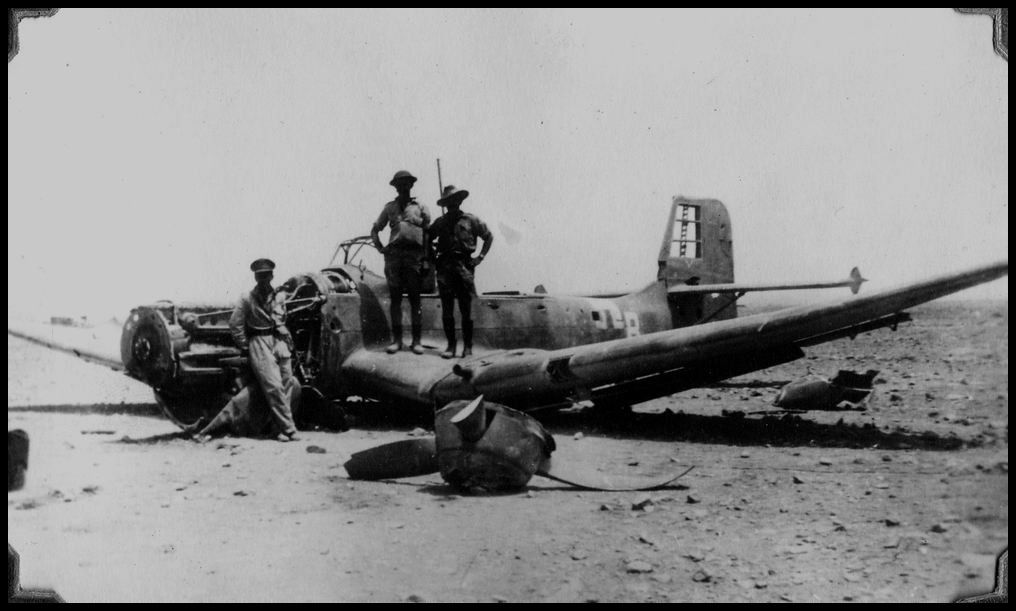
The Stuka is well-known for its dive-bombing tactics, often accompanied by the distinct and eerie “Jericho Trumpets” sirens. “Jericho Trumpets” were wind-driven devices mounted on the front of each landing gear leg. These sirens were intentionally designed to strike terror into those on the ground, and they have come to symbolize World War II.
Additionally, this sound became a propaganda emblem of German air power and the swift Blitzkrieg victories from 1939 to 1942. Also, the sirens provided Stuka pilots with audible speed feedback during their missions.
4 Gull wings
Gull wings are incorporated for a diverse range of purposes
The most distinctive feature of the Junkers Ju 87 Stuka is probably its inverted gull wing configuration. The gull wing is a unique aircraft wing design. It is named after the seabirds it resembles because of its distinctive bend towards the wing’s root. Many aircraft have used these wings for various reasons. One common purpose is to enhance visibility in aircraft with high-wing placements. Another purpose of having an inverted gull wing is to permit clearance for a large external bomb load, as on the Junkers Ju 87 Stuka dive bomber.
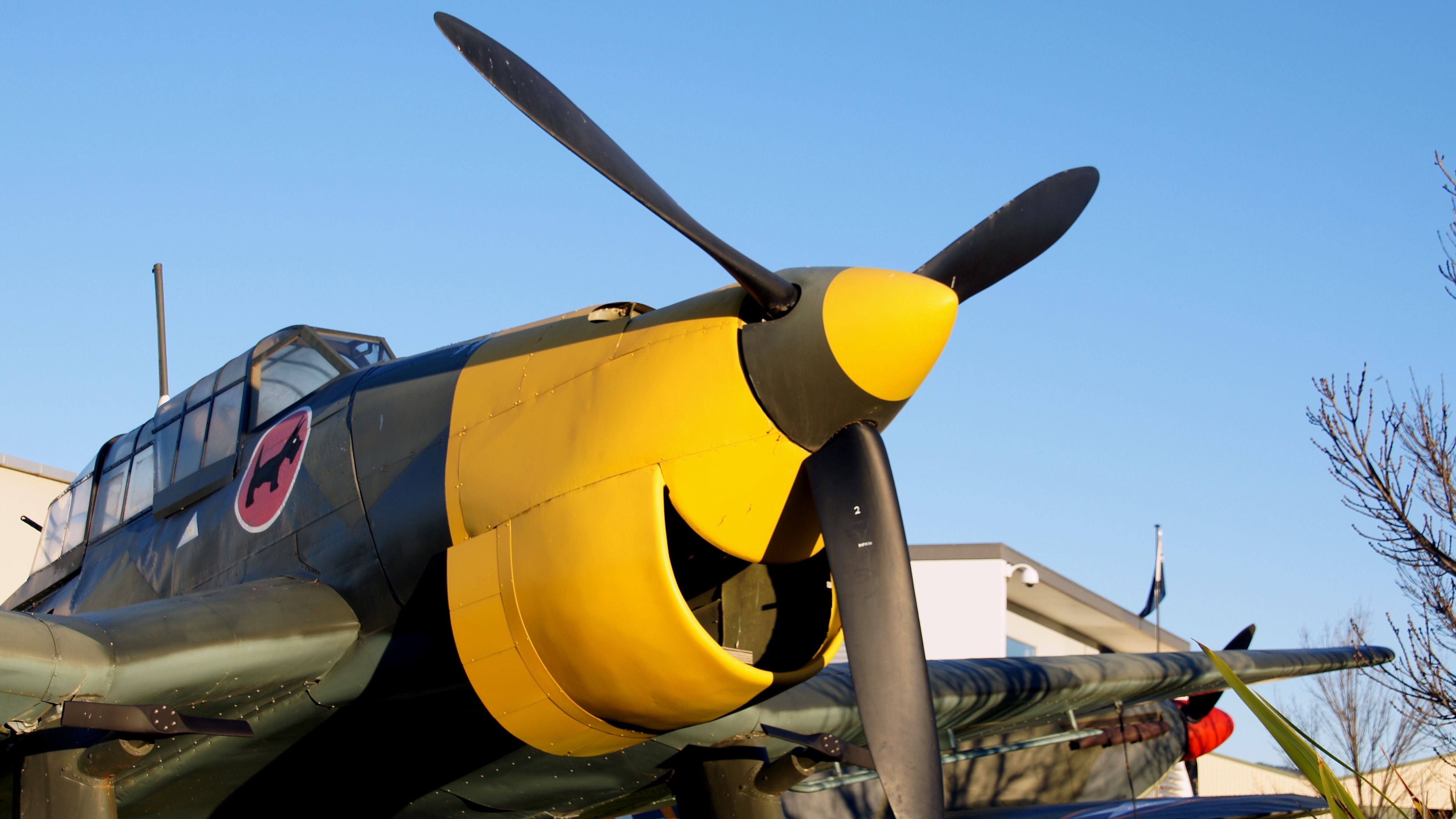
It is worth noting that the Stuka had four 7.9-millimeter machine guns, with two operated by a rear-seat gunner. Later in the war, they switched the rear guns for a single 13-millimeter gun. The Stuka could carry either a big 500-kilogram bomb or a 250-kilogram bomb under its fuselage. It could also hold two smaller 50-kilogram bombs under each wing, according to Britannica.
5 Double-sided canopy
This feature was instrumental in enhancing the dive-bombing accuracy of the aircraft
The four-piece canopy of the Stuka was designed, consisting of two separate sections, each equipped with sliding mechanisms for easy access. In addition to their sliding capabilities, these canopy sections were specially designed with emergency jettisoning features, ensuring the safety of the crew in critical situations.

Photo: ImagineerInc | Shutterstock
A notable and functional detail was the presence of angular lines etched in red on the right-hand canopy window. These lines served as a crucial reference for the pilot, aiding in the precise matching of dive angles during bombing runs. This feature was instrumental in enhancing the dive bombing accuracy, according to a report by Underwater Malta.
While the Stuka enjoyed early success in the war, it eventually yielded its supremacy to more advanced British fighter aircraft. Although highly effective for bombing missions, the Stuka’s slow speed limited its competitiveness. According to a report from the Air & Space Forces Museum, a total of 4,881 Ju-87 Stukas were manufactured throughout the war, and unfortunately, none of them are operational today.