



Hidden within the striking canyons of New Mexico lies an archaeological marvel that stands as a testament to ancient human ingenuity: Pueblo Bonito. This enigmatic structure, crafted by the skilled hands of the Ancestral Puebloans over a millennium ago, continues to captivate the imagination of historians, archaeologists, and curious minds alike.
A Window to the Past
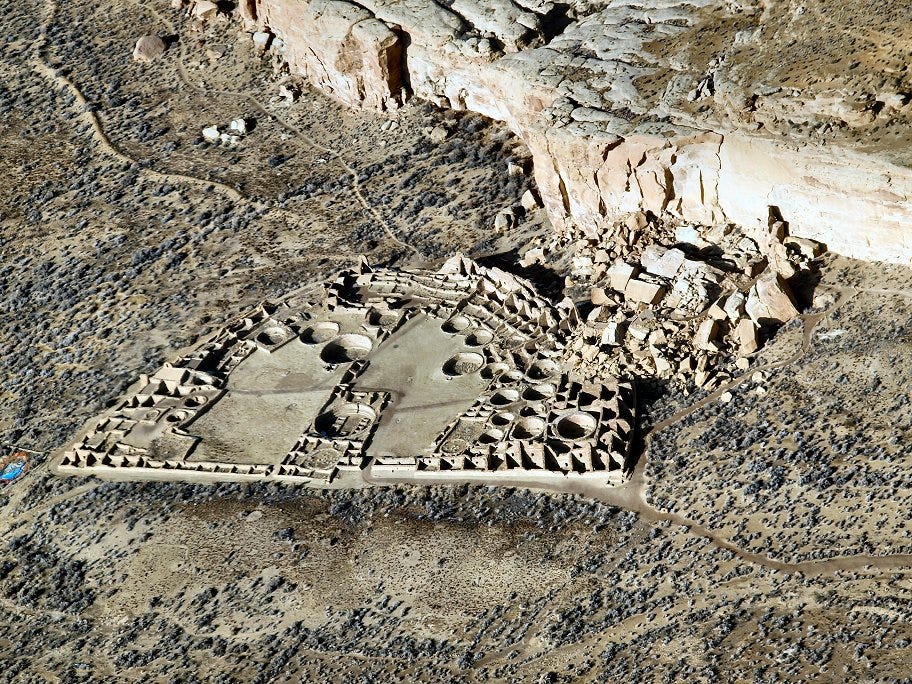
Pueblo Bonito’s story begins over a thousand years ago when the Ancestral Puebloans embarked on an extraordinary endeavor — the creation of an architectural wonder. Built between the 9th and 12th centuries AD, this sprawling complex emerged from the hands of skilled artisans, each stone meticulously placed to form a testament to human ingenuity.
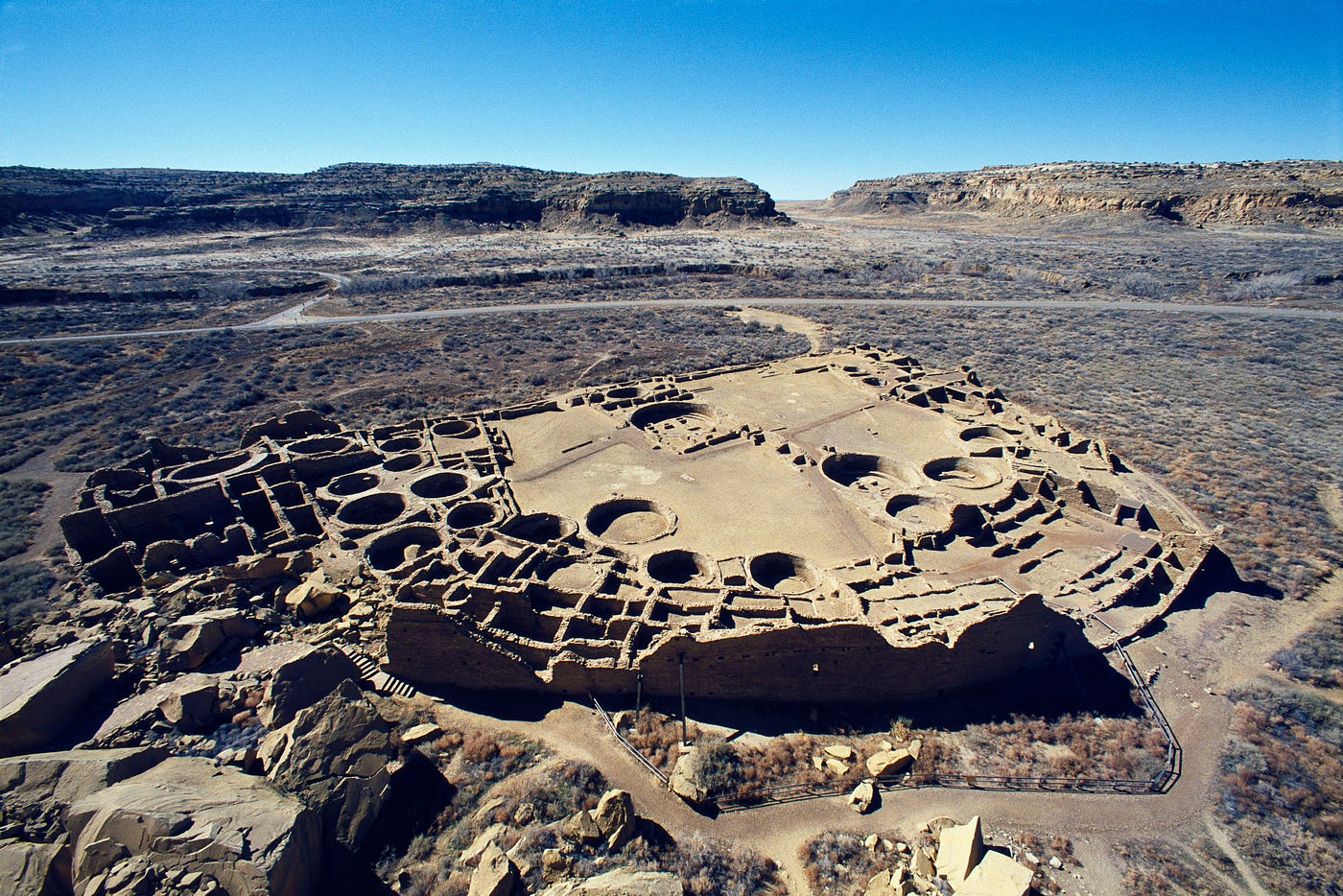
This colossal structure, with its over 650 rooms rising across five stories, wasn’t just a domicile. It embodied a thriving community, a cultural epicenter that showcased advanced architectural techniques and a profound connection to the cosmos. Its alignment with celestial events reveals the depth of astronomical knowledge possessed by its builders.
Rediscovered in the late 19th century, Pueblo Bonito’s secrets slowly unfolded through meticulous excavation and research. Archaeologists, historians, and preservationists laboriously uncover its history while safeguarding its fragile remnants, piecing together the saga of an ancient civilization.
The Architectural Marvel
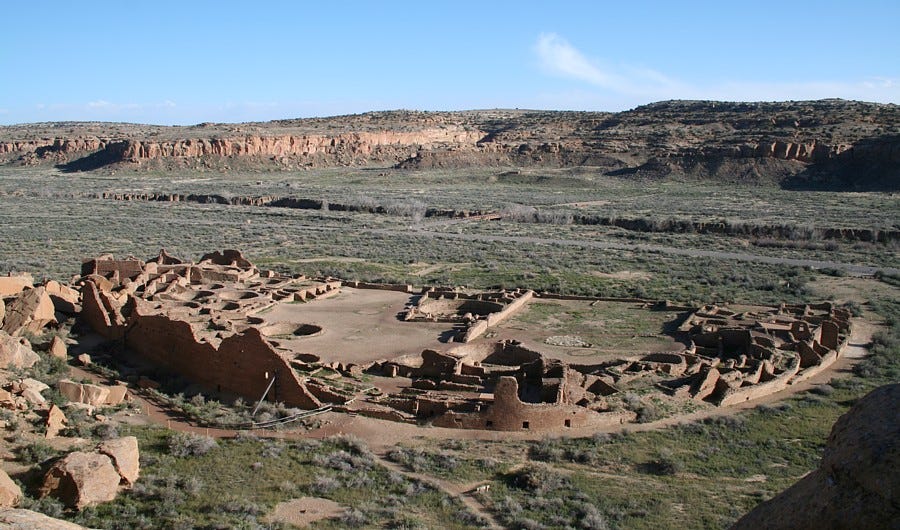
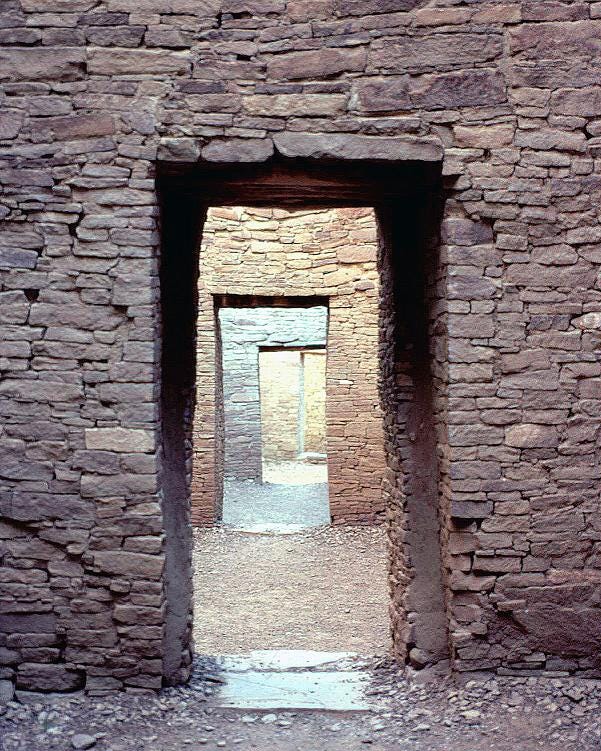
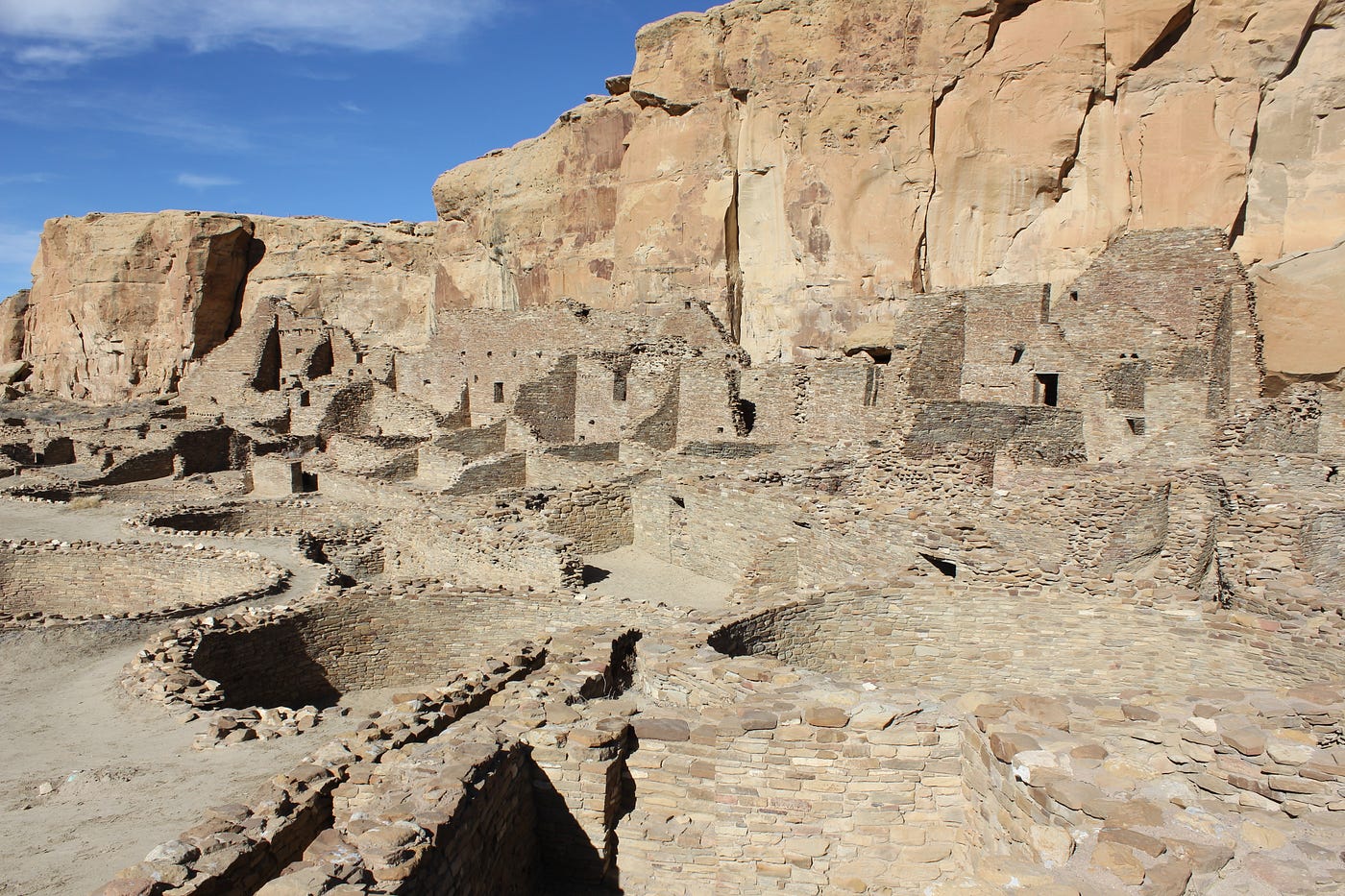
Pueblo Bonito’s construction is a testament to the unparalleled craftsmanship of the Ancestral Puebloans. Constructed without modern tools, this colossal edifice stands as a marvel of engineering, each stone meticulously shaped and placed with precision. The use of core-and-veneer architecture allowed for intricate designs and ensured structural stability, showcasing an architectural finesse that challenges contemporary understanding.
Rising five stories high and sprawling across an expansive area, Pueblo Bonito wasn’t just a structure; it was a vertical cityscape. Its labyrinthine corridors, strategically positioned rooms, and ceremonial spaces were orchestrated in a layout that reflected an advanced urban planning prowess. This architectural complexity was unparalleled in its time and stands as a testament to the sophistication of its builders.
What elevates Pueblo Bonito beyond mere construction is its remarkable alignment with celestial events. The careful positioning of its walls and openings suggests an intricate understanding of solar and lunar cycles. The deliberate orientation toward astronomical phenomena, like the solstices and equinoxes, not only served practical purposes but also reflected a profound spiritual and cosmological connection woven into its design.
Despite the passage of centuries and exposure to the elements, the engineering techniques employed in Pueblo Bonito have ensured its resilience. The use of sandstone blocks and masonry, coupled with precise construction methods, has allowed this ancient structure to endure, offering invaluable insights into the architectural prowess of the past.
Cultural Tapestry and Trade Hub
Pueblo Bonito was not merely a residence; it was a bustling center of cultural exchange and commerce. Artifacts discovered within its confines, such as seashells from distant shores and exotic goods like macaws from present-day Mexico, underscore its role as a vibrant trading hub. The diversity of artifacts found here paints a vivid picture of a society intricately woven into a vast network of trade routes.
Mysteries and Unanswered Questions
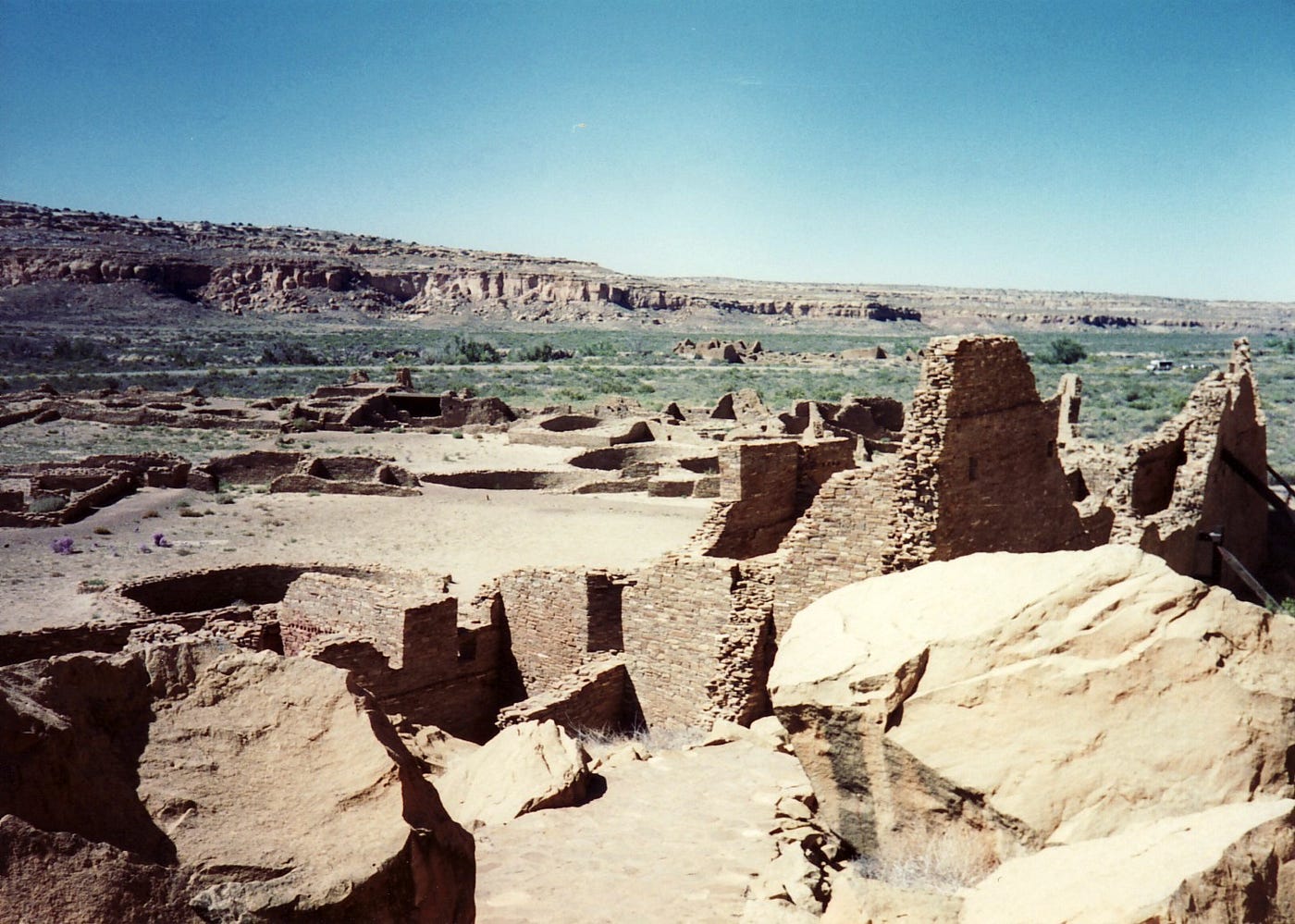
One of the most perplexing chapters in Pueblo Bonito’s history is the sudden departure of its inhabitants. Around the 12th century, this once-thriving center saw a mass exodus, leaving behind a ghostly monument that raises more questions than answers. The reasons behind this departure have sparked intense debate among scholars, with theories ranging from environmental factors to societal upheavals or spiritual beliefs.
Some researchers propose that environmental challenges, such as drought or resource depletion, might have prompted the abandonment of Pueblo Bonito. Others suggest that societal changes, possibly conflicts or shifts in power dynamics, played a pivotal role in the community’s dispersion. The absence of definitive evidence fuels these speculations, shrouding the true cause in mystery.
Amidst these theories, the influence of spiritual beliefs remains a compelling aspect. Some postulate that religious or ceremonial practices might have been intertwined with the decision to vacate the premises. Ceremonial alignments with celestial events within the structure hint at a deep spiritual connection, prompting speculation that rituals or prophecies might have guided their departure.
Preservation Efforts and Significance
Despite enduring centuries of weathering and exposure, Pueblo Bonito stands as a testament to the resilience of its construction techniques. The efforts of archaeologists and preservationists to unearth its secrets while safeguarding its fragile remnants have been crucial in preserving this invaluable piece of human history.
Tips for the Curious Traveler
Getting There
Located within Chaco Culture National Historical Park in northwestern New Mexico, reaching Pueblo Bonito requires planning. The site is remote, accessible via a rough, unpaved road. Visitors often opt for a four-wheel-drive vehicle due to the challenging terrain. Consider checking with the National Park Service for road conditions and accessibility before planning your trip.
Best Time to Visit
The best time to explore Pueblo Bonito and Chaco Canyon is during the spring or fall when the weather is milder. Summers can be scorching, and winters bring cold temperatures and possible road closures due to snow. Plan your visit accordingly and carry essentials like sunscreen, water, and appropriate clothing for varying weather conditions.
Guided Tours and Information
Upon arrival, visitors can benefit from guided tours provided by park rangers or knowledgeable guides. These tours offer invaluable insights into the history, architecture, and mysteries of Pueblo Bonito, enhancing the experience and providing a deeper understanding of this ancient marvel.
As you explore this archaeological gem, remember to tread lightly and respect the site’s sanctity. Preservation is key to maintaining Pueblo Bonito’s integrity for future generations. Refrain from touching the walls or removing any artifacts and follow designated paths to minimize impact.
Accommodations and Amenities
Accommodations within Chaco Canyon are limited, primarily camping facilities. Visitors should be prepared for a rustic experience, with limited amenities and services. It’s advisable to bring sufficient supplies, including food and camping gear, for a comfortable stay.
Nearby Attractions
While in Chaco Canyon, consider exploring other notable sites such as Chetro Ketl, Casa Rinconada, and Una Vida. Each offers unique insights into the ancient civilization that once thrived in this area, providing a more comprehensive understanding of the region’s history.
The journey to Pueblo Bonito is as much a part of the experience as the destination itself. Embrace the remoteness and immerse yourself in the rugged beauty of the landscape. The breathtaking vistas and archaeological wonders along the way make the journey an integral part of the adventure.