



The Fokker Dr.I, which is more commonly known as the Fokker Triplane, was likely one of the most iconic aircraft of the First World War. Much like the iconic British-made Sopwith Camel, the Dr.I was known for its maneuverability and was a mainstay of the German Imperial Air Service in 1918.
However, the aircraft is likely best known for the most iconic flying ace of the war, who had turned a brilliantly red-painted Dr.I into his trademark plane. German pilot Baron Manfred von Richthofen, more commonly known as the Red Baron, earned his last 17 recorded combat victories in the Dr.I, in addition to another that was earned on the plane’s prototype. In the model, Richthofen also met his death, and the man truly earned his fame and died at the hands of the Dr.I.
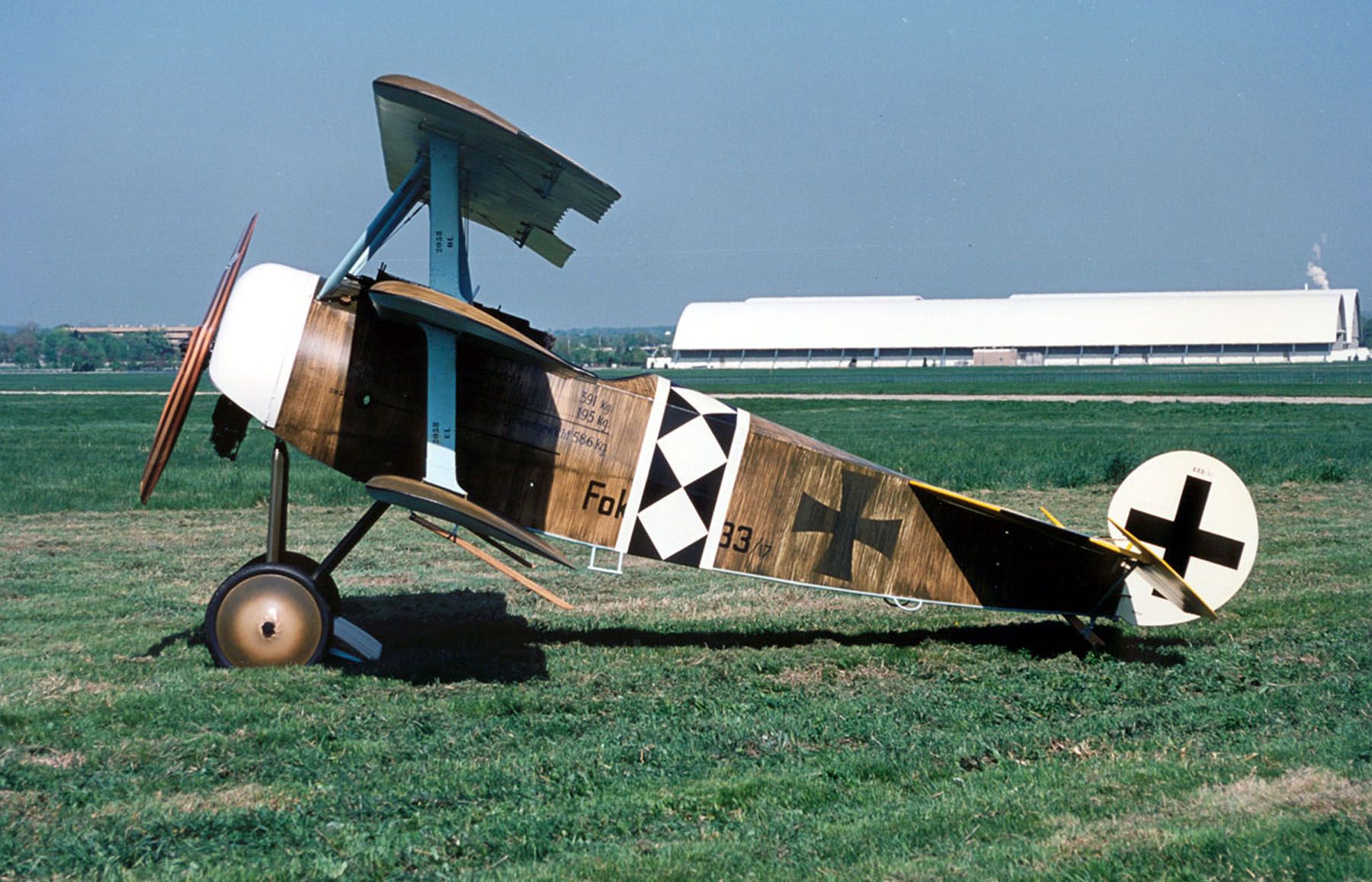
Photo: National Museum of the United States Air Force
Despite its impressive history of aerial victories, many historians hold that the Dr.I was actually not all that incredible of a plane. In this article, we will take a deeper look at the story of this iconic First World War fighter.
Introduction and operational history
Introduced into service in 1917, the Fokker Dr.I was known for its supreme maneuverability, likely one of the major factors that motivated it being the mount of choice for esteemed pilots like the Red Baron. According to Robert Jackson’s 2006 Encyclopedia of Military Aircraft, the aircraft was overpowered, with an Oberursel Ur11 9-cylinder rotary piston engine cranking out 110 horsepower.
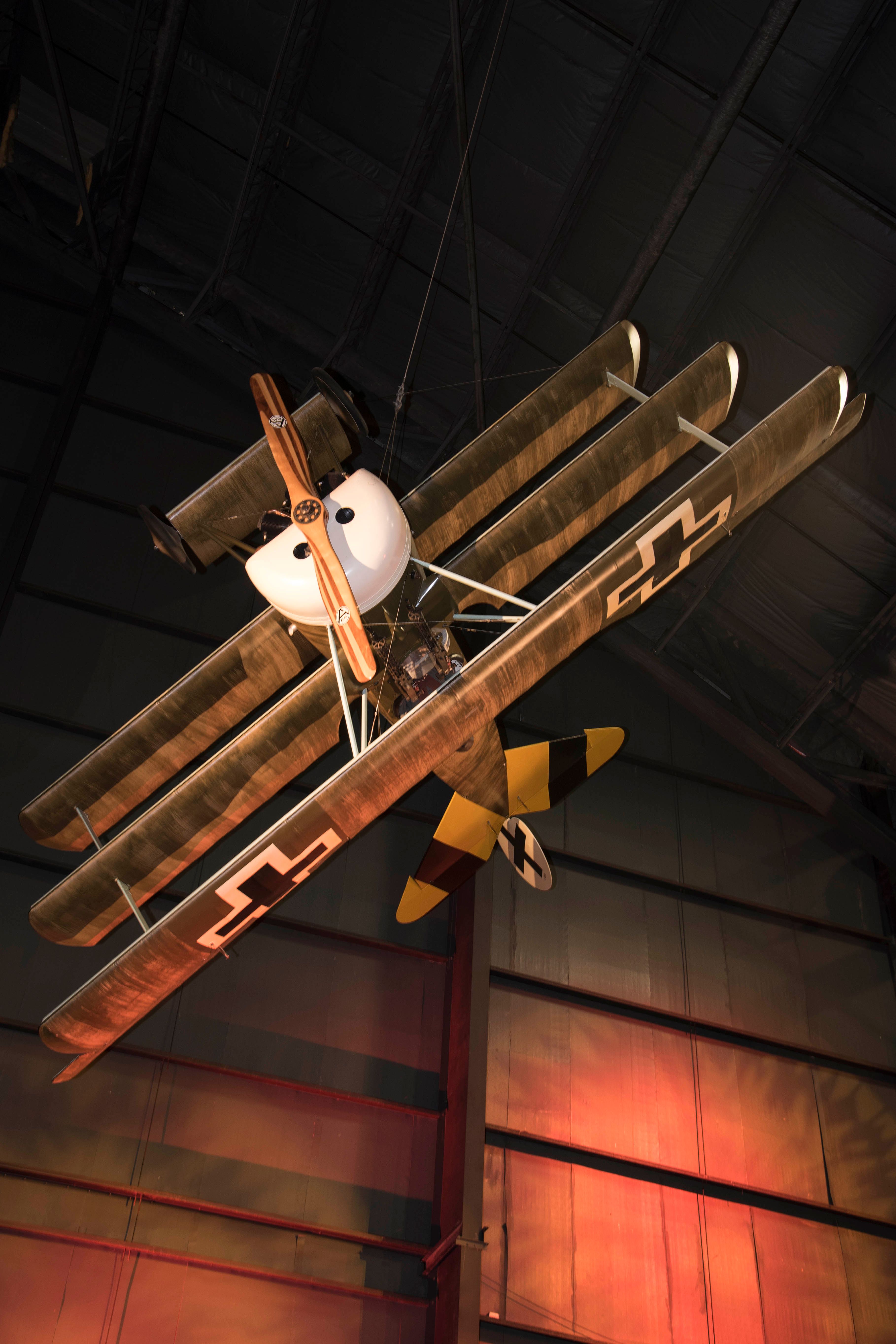
Photo: National Museum of the United States Air Force
The plane’s early operational history, however, was blemished by a string of crashes, factors that likely led to only 320 Fokker Dr.I planes ever rolling off of the manufacturer’s assembly lines. In fact, most aviation historians remark that the plane’s many accolades can be attributed directly to the skilled aviators who flew it, not just Richthofen but also Werner Voss, a 20-year-old flying ace credited with nearly 50 victories.
By the end of the war, the triplane had been outclassed by a number of more agile and heavily armed scouts, with the triplane only equipped with two fixed forward-firing 0.31-in LMF machine guns. Jackson even notes that Anthony Fokker himself was somewhat surprised at the number of accolades with which the relatively inferior plane had been attributed.
Baron von Richthofen
It is difficult to fully discuss the Fokker Dr.I without taking a look at the most famous person to sit in its cockpit. Trained over French and German skies under the tutelage of fellow flying ace Oswald Boelcke, Richthofen originally established himself in a blood-red Albatros D.III fighter, according to History.
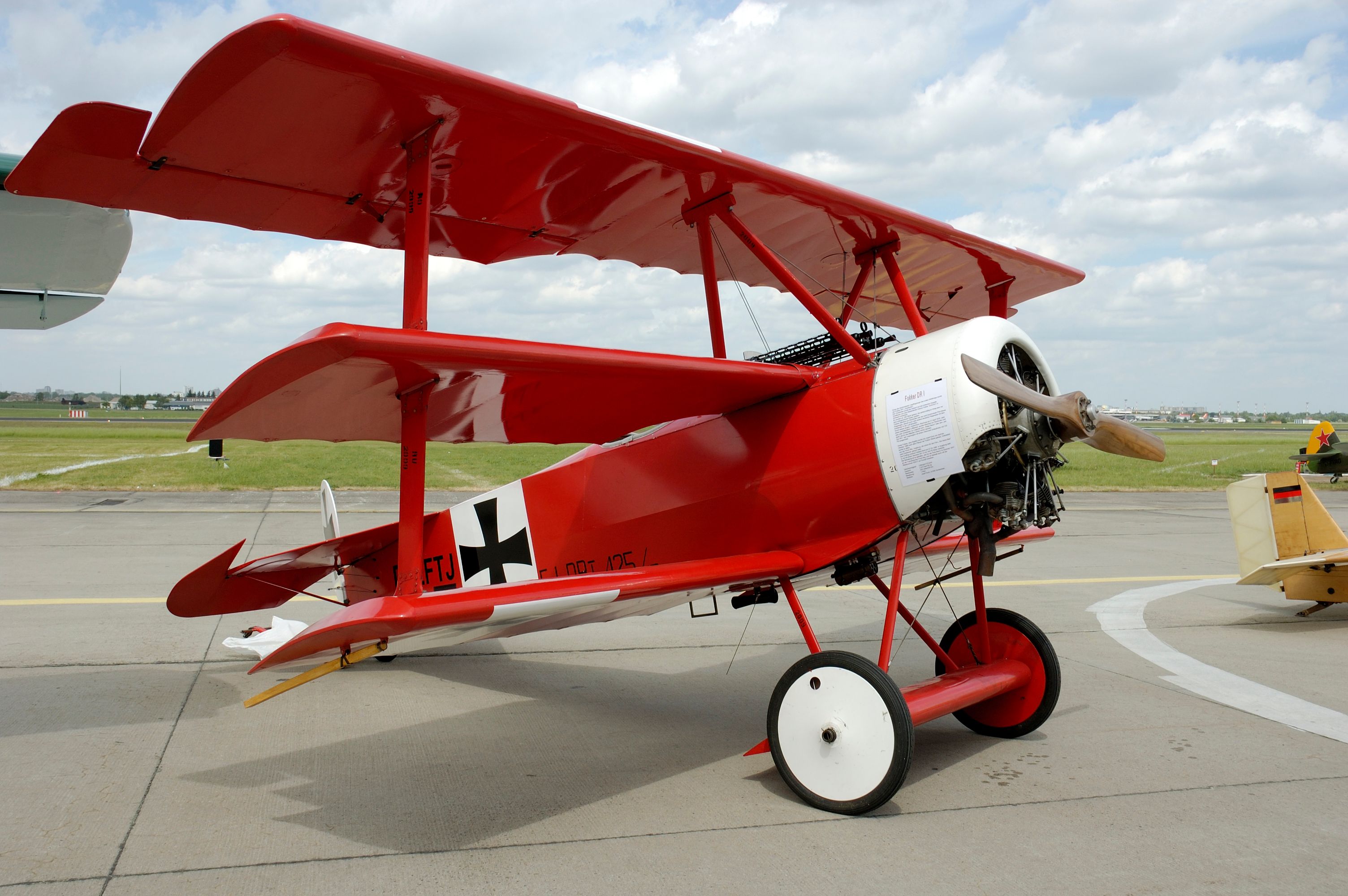
Photo: Oliver Thiele | Wikimedia Commons
By early 1917, he had already established himself as one of the war’s most esteemed pilots, downing 16 enemy aircraft and ballooning to 52 victories by the summer of that year. By the end of the summer, the Red Baron would soon be reequipped with the Fokker Dr.I triplane, in which he would gain a further batch of combat victories throughout the year.
Unlike most flying aces of the war who prided themselves on being bold and raucous, Richthofen was known as a calculating tactician, never one to take any unnecessary risks. According to R.G. Grant’s 2002 Complete History of Flight, the Fokker Dr.I’s three wings packed a lot of lift into a small area, giving it Richthofen’s desired fast rate of climb.