



The location of Vilcabamba was forgotten.
The first outsiders in modern times to rediscover the remote forest site that has since come to be identified with Old Vilcabamba (Vilcabamba la Vieja) were three Cuzqueños: Manuel Ugarte, Manuel López Torres, and Juan Cancio Saavedra, in 1892.
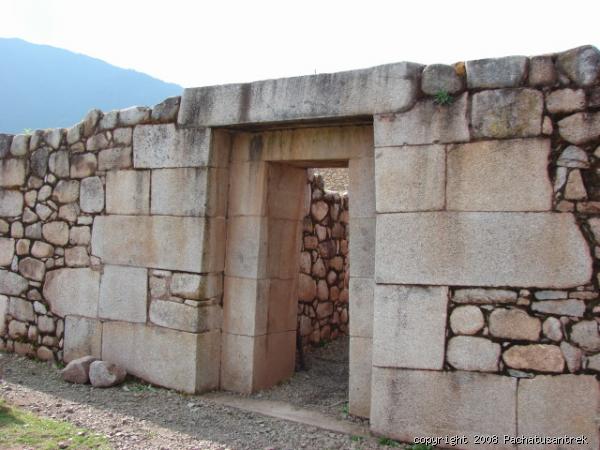
The smaller rough work is that of the Inca aside a megalithic core
When the Inca ruler Manco Inca and his large army failed to overthrow the Spanish invaders in A.D. 1536, the Inca fled from their imperial capital at Cusco and took refuge in the Vilcabamba wilderness. They lived there for 36 years, until the Spanish finally penetrated the area and killed the last Inca ruler, Tupac Amaru in 1572, bringing an end to the Inca empire.
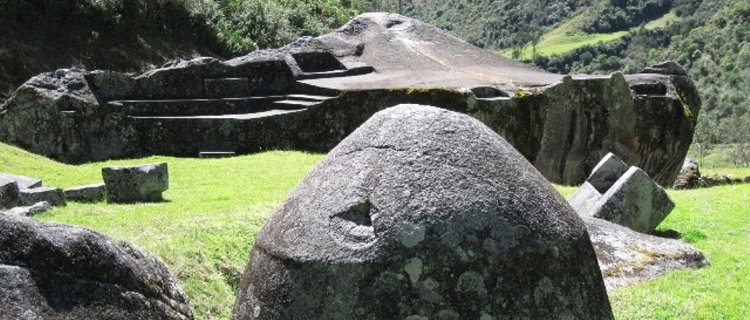
The enigmatic Nusta Hispana found in the area probably predates the Inca
In 1911, Hiram Bingham with his book Lost City of the Incas brought to public attention the site of the ruins of the city at the remote forest site then called Espíritu Pampa, 130 kilometres (81 mi) west of Cuzco. Bingham, however, did not realize its significance and believed that Machu Picchu was the fabled “Vilcabamba”, lost city and last refuge of the Incas.
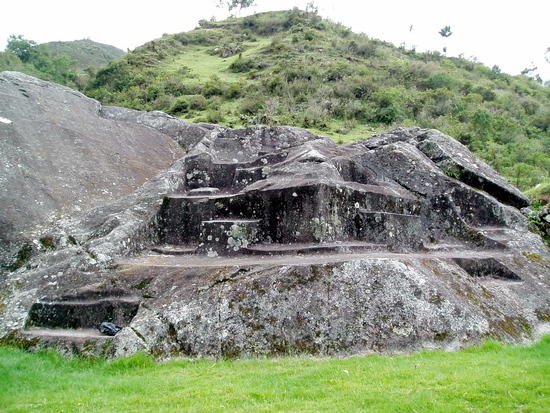
The cut surfaces in the above photo show no obvious signs of tool marks, and especially not the workings of the bronze chisels of the Inca.
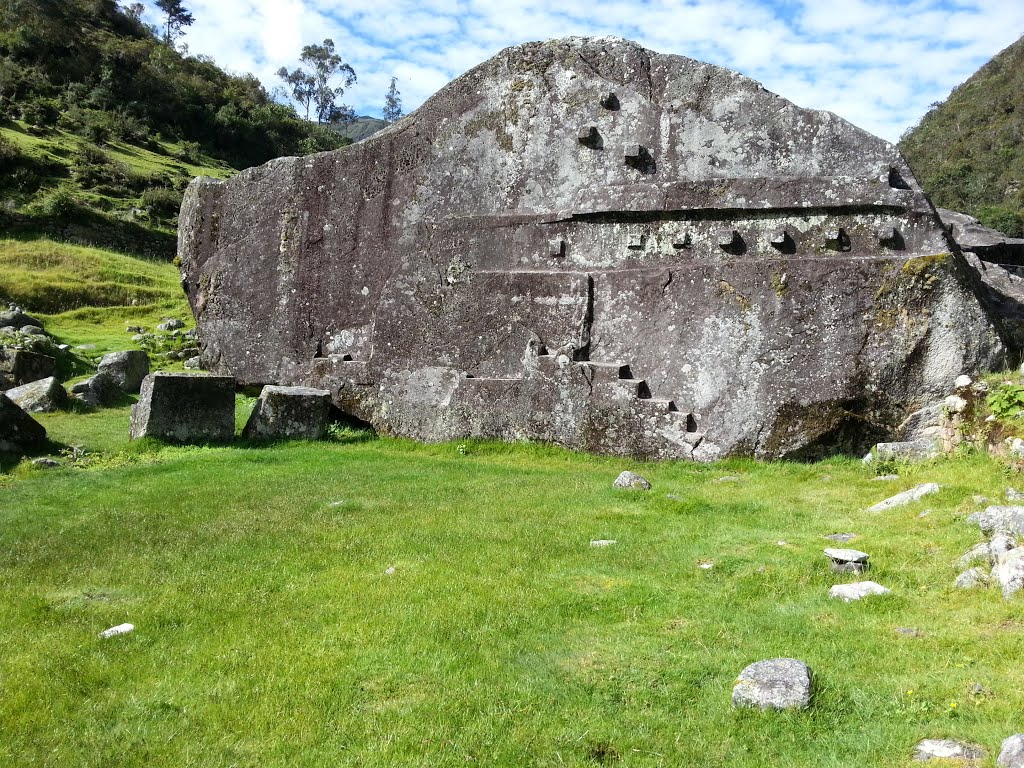
Such enigmatic shaped stones and the curious knobs as seen above are not properly addressed by conventional academics. They could very well be the work of far older and more technologically advanced people…but who?
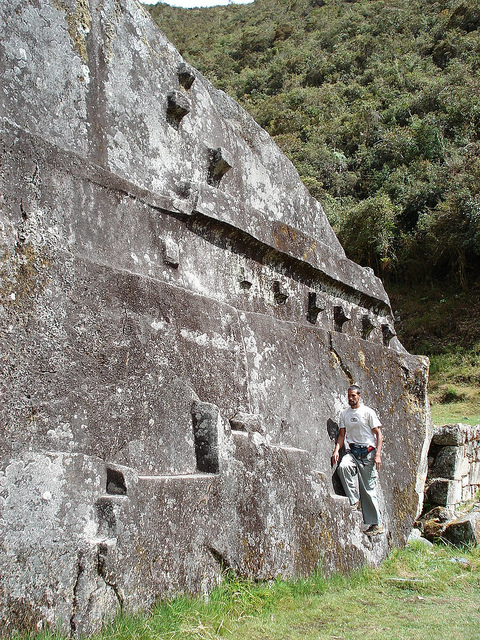
Inca oral tradition speaks of ancient teachers called the Viracochan, and the Pirhua, who either lived in the area in ancient times, or visited sharing their knowledge of arts and sciences with those they met.
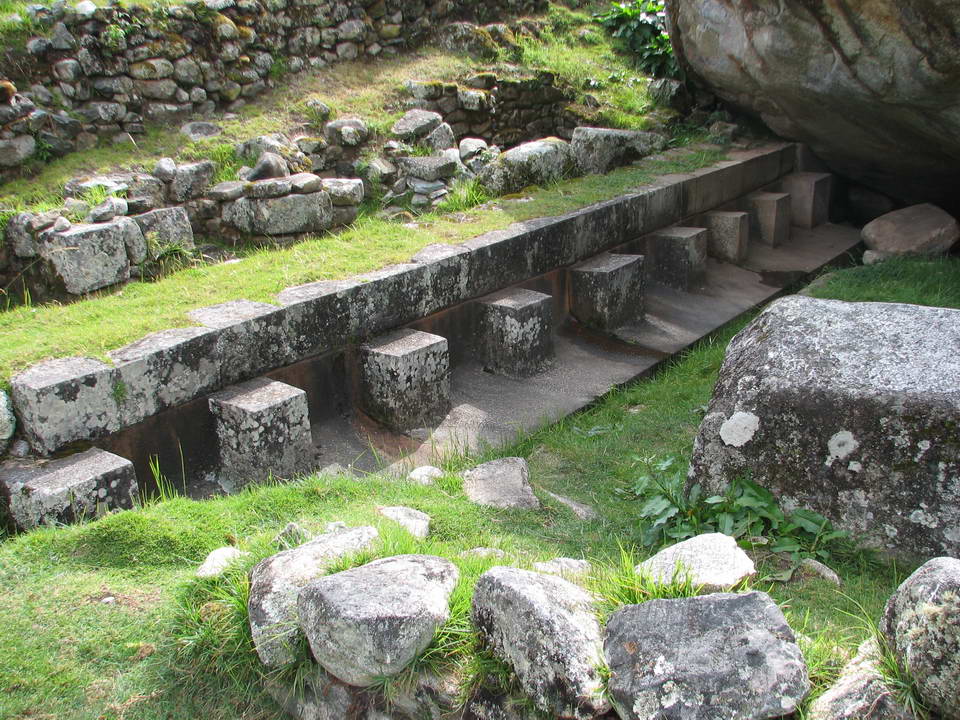
Precision cuts in the bedrock, as seen in the photo above confound all who see them, especially in person. What could have been the function? Perhaps these ancient builders had a completely different mind set than ours, or even the Inca.