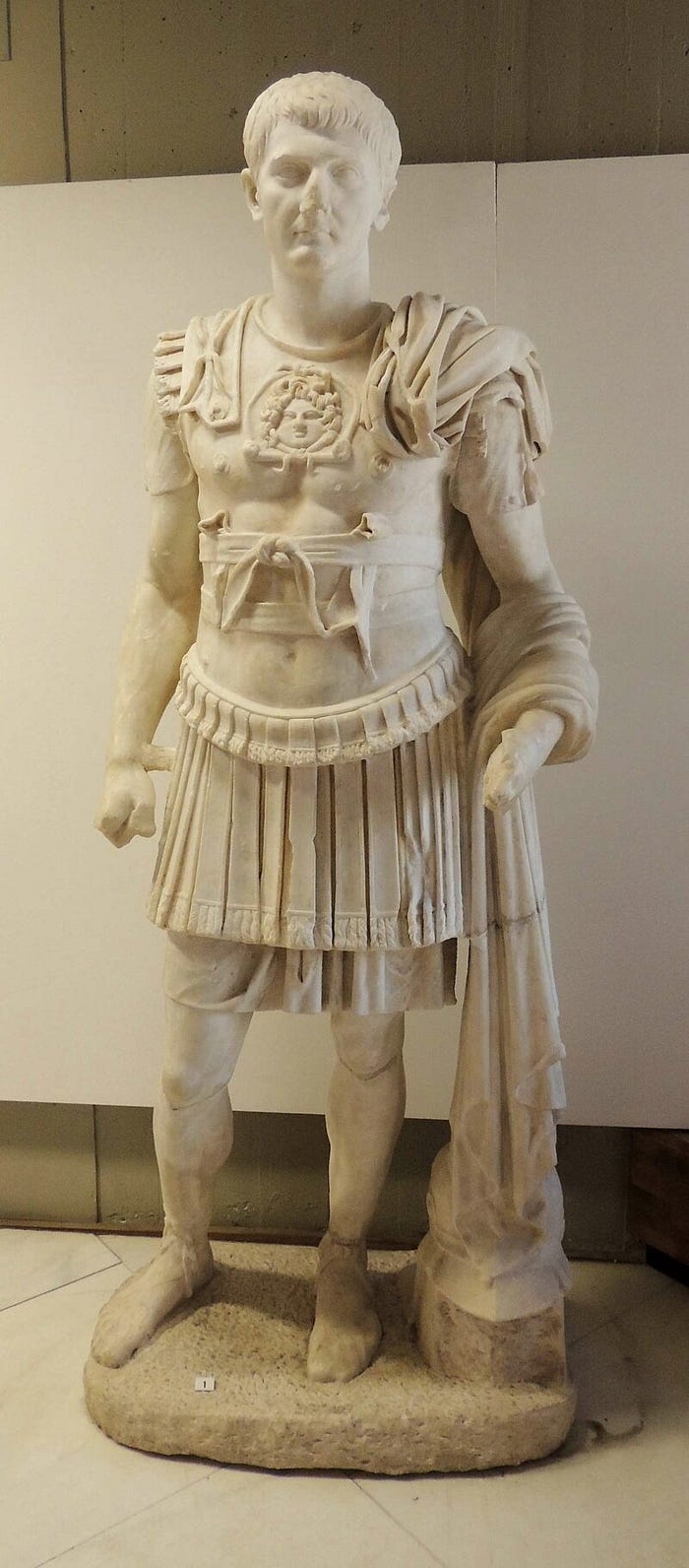



Greek sculpture is renowned for its exquisite craftsmanship and profound influence on Western art. Spanning several centuries, Greek sculptors evolved their techniques, styles, and subject matter, reflecting shifts in societal values, artistic ideals, and advancements in craftsmanship. One of the most significant periods in this evolution is the transition from Archaic to Classical sculpture.
During the Archaic period (c. 800–480 BCE), Greek sculpture exhibited characteristics of stylization, rigidity, and an emphasis on geometric forms. Figures were depicted with a stiff posture, with the famous “kouros” and “kore” sculptures exemplifying the idealized human form. These statues, often used as votive offerings or grave markers, conveyed a sense of ideal beauty and eternal youth, with smiles known as the “Archaic smile” adorning their faces. The influence of Egyptian art is evident in the rigid frontal poses and stylized anatomy of Archaic sculptures.

The transition to the Classical period (c. 480–323 BCE) marked a significant shift in Greek sculpture, characterized by naturalism, dynamic movement, and emotional expression. Sculptors such as Phidias and Polykleitos introduced new techniques, such as contrapposto, which allowed for more naturalistic and lifelike poses. Figures became more anatomically accurate, with muscles, veins, and other anatomical details meticulously rendered. This period also saw a shift towards portraying real individuals and capturing their unique personalities, as seen in the famous statues of athletes, gods, and political figures.
The Parthenon sculptures, created under the direction of Phidias, exemplify the pinnacle of Classical Greek sculpture. The friezes and metopes depict scenes from Greek mythology and history, showcasing a mastery of composition, perspective, and emotion. The figures exhibit a perfect balance between idealized beauty and realistic portrayal, capturing the essence of the human experience.
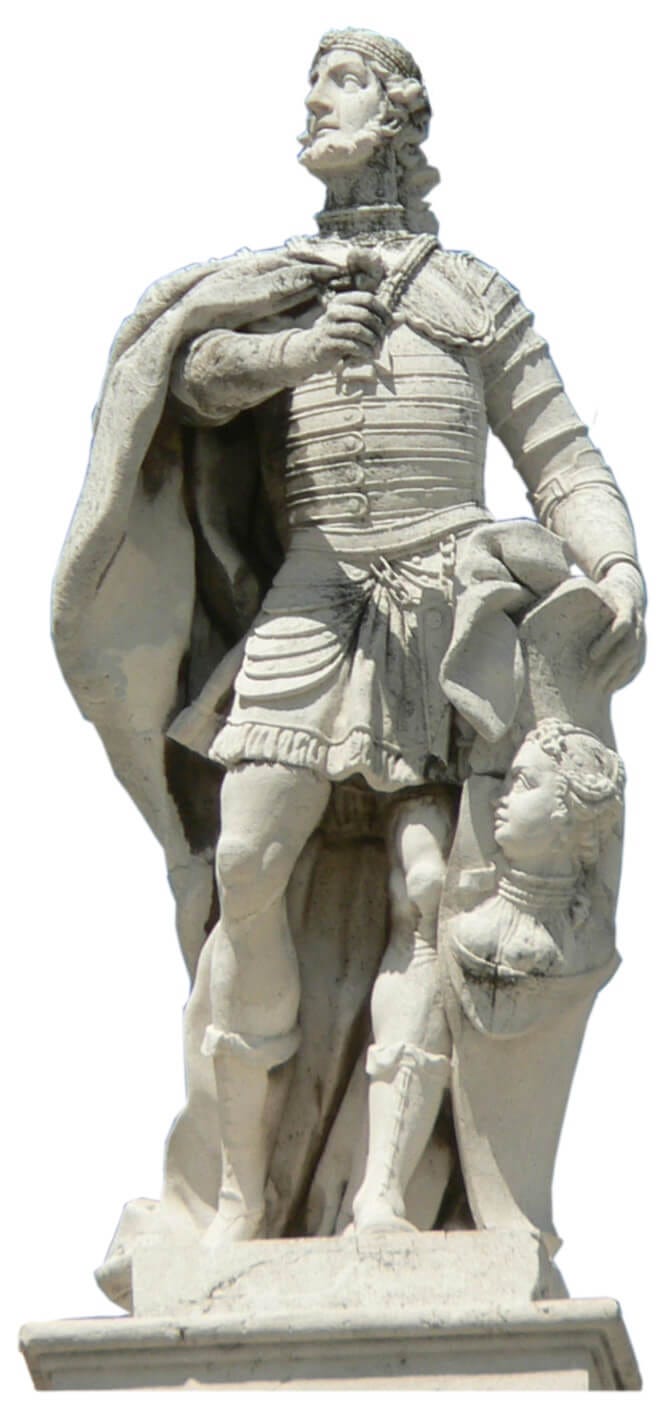
The Hellenistic period (c. 323–31 BCE) witnessed further innovation and experimentation in Greek sculpture. Sculptors pushed the boundaries of realism and expression, depicting dramatic movement, intense emotion, and intricate details. The Laocoon and His Sons, a masterpiece of Hellenistic sculpture, exemplifies this trend with its dynamic composition and visceral depiction of agony.
Inconclusion, the evolution of Greek sculpture from the Archaic to the Classical period represents a journey from stylized idealism to naturalistic realism. Through innovations in technique, style, and subject matter, Greek sculptors revolutionized the art of sculpture, laying the foundation for Western art for centuries to come.