



On June 26, 1943, three squadrons of P-47C Thunderbolts swept over occupied France, heading to meet B-17 bombers returning from a deep strike into enemy territory. Flying near the rear of the formation was 2nd Lt. Robert S. Johnson, scanning the skies for trouble.
16 Focke-Wulfs from Above
Johnson spotted 16 Focke-Wulf 190s diving toward them from above. He radioed a warning — “Bandits, 5 o’clock!” — but got no reply. A second call brought the same silence. Moments later, cannon shells and machine-gun fire tore into his Thunderbolt. Hydraulic fluid sprayed into his face, hot oil poured into the cockpit, and a flash fire briefly ignited inside. Wounded, partially blinded, and struggling to breathe, Johnson wrestled his crippled P-47 out of a death spiral.
Attempts to bail out failed — his canopy jammed and his parachute snagged on the frame. With no choice but to stay, he leveled off, hoping to limp back to England
16 Focke-Wulfs from Above
Johnson spotted 16 Focke-Wulf 190s diving toward them from above. He radioed a warning — “Bandits, 5 o’clock!” — but got no reply. A second call brought the same silence. Moments later, cannon shells and machine-gun fire tore into his Thunderbolt. Hydraulic fluid sprayed into his face, hot oil poured into the cockpit, and a flash fire briefly ignited inside. Wounded, partially blinded, and struggling to breathe, Johnson wrestled his crippled P-47 out of a death spiral.
Attempts to bail out failed — his canopy jammed and his parachute snagged on the frame. With no choice but to stay, he leveled off, hoping to limp back to England
A Bullet-Riddled Landing
Against all odds, Johnson made it to Manston Air Base. The landing gear held, the tires were still inflated, and he touched down perfectly. Medics found him burned, cut, and bleeding, with shrapnel in his thigh and a bullet nick to his nose.
When Johnson later inspected his aircraft, he stopped counting bullet holes after reaching 200 without moving from the tail.
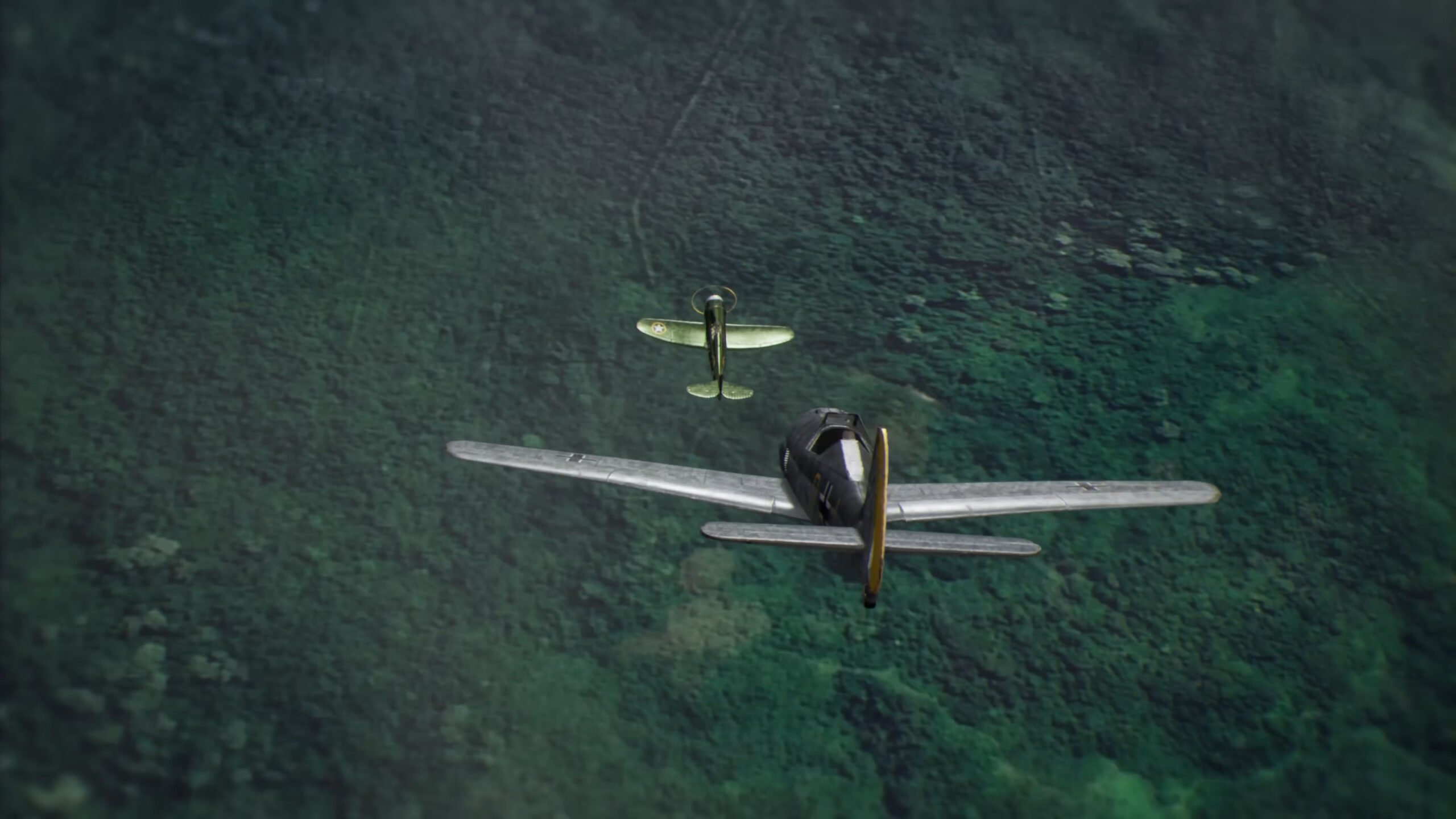
Rumor has it the attacking pilot was Luftwaffe ace Egon Mayer, who would be killed in action less than a year later. Johnson survived, scoring 27 confirmed victories by war’s end — making him the second-highest-scoring American ace in the European theater. He would earn the Purple Heart, Distinguished Service Cross, Silver Star, nine Distinguished Flying Crosses, and more before passing away in 1998 at age 78.