



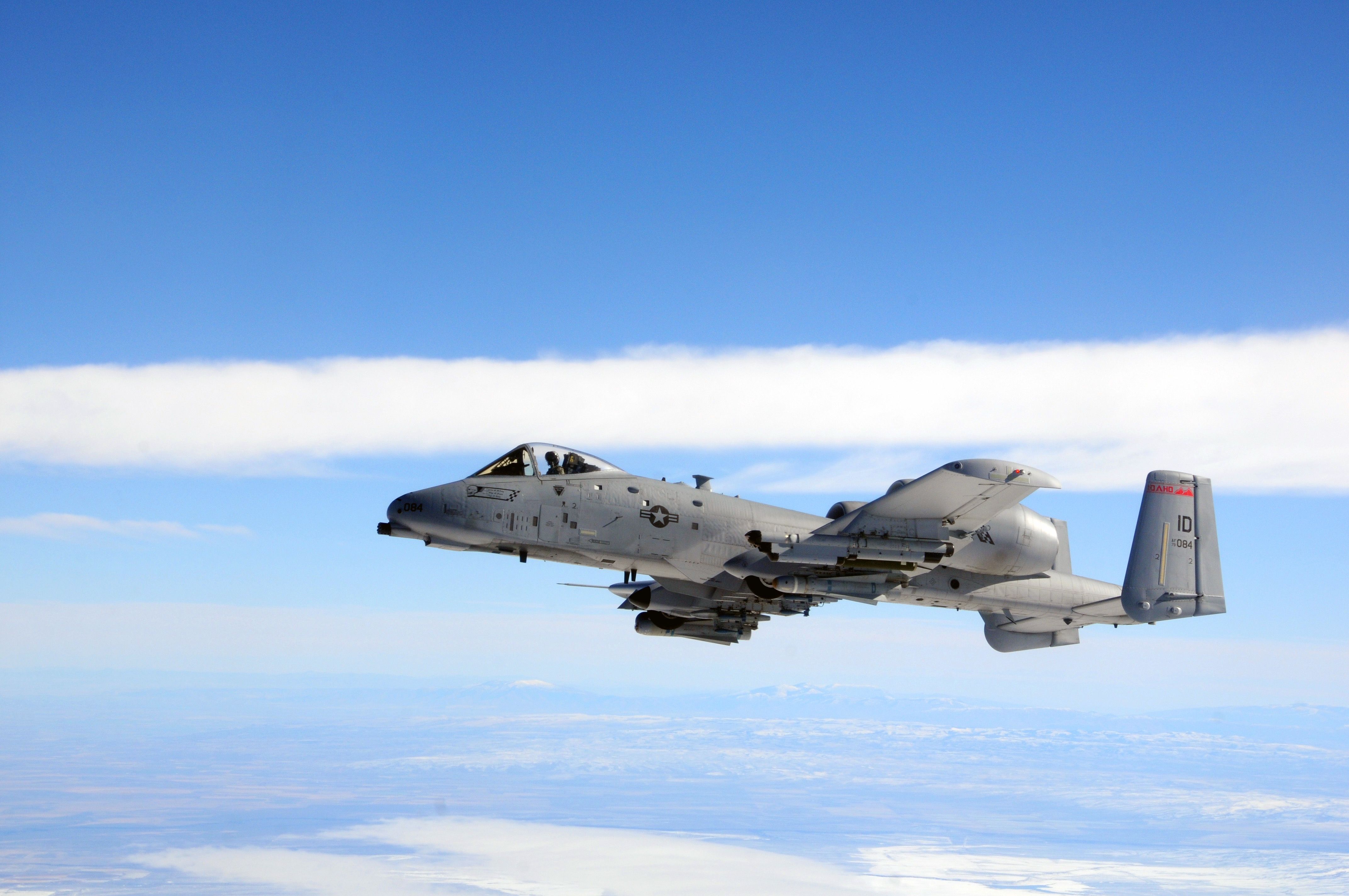
When you think of military aircraft, few evoke as much awe and respect as the A-10C Warthog. Officially known as the Fairchild Republic A-10C Thunderbolt II, this war machine has earned a fearsome reputation on the battlefield, striking fear into the hearts of enemy forces worldwide. But what makes the A-10C Warthog so admirable?
Tough, powerful and virtually indestructible
Introduced in the mid-1970s, the A-10C is the first aircraft in the United States Air Force’s fleet specifically designed for close air support of ground forces. The twin-engine jet showcases remarkable agility at low speeds and altitudes, coupled with precise weapon delivery capabilities.
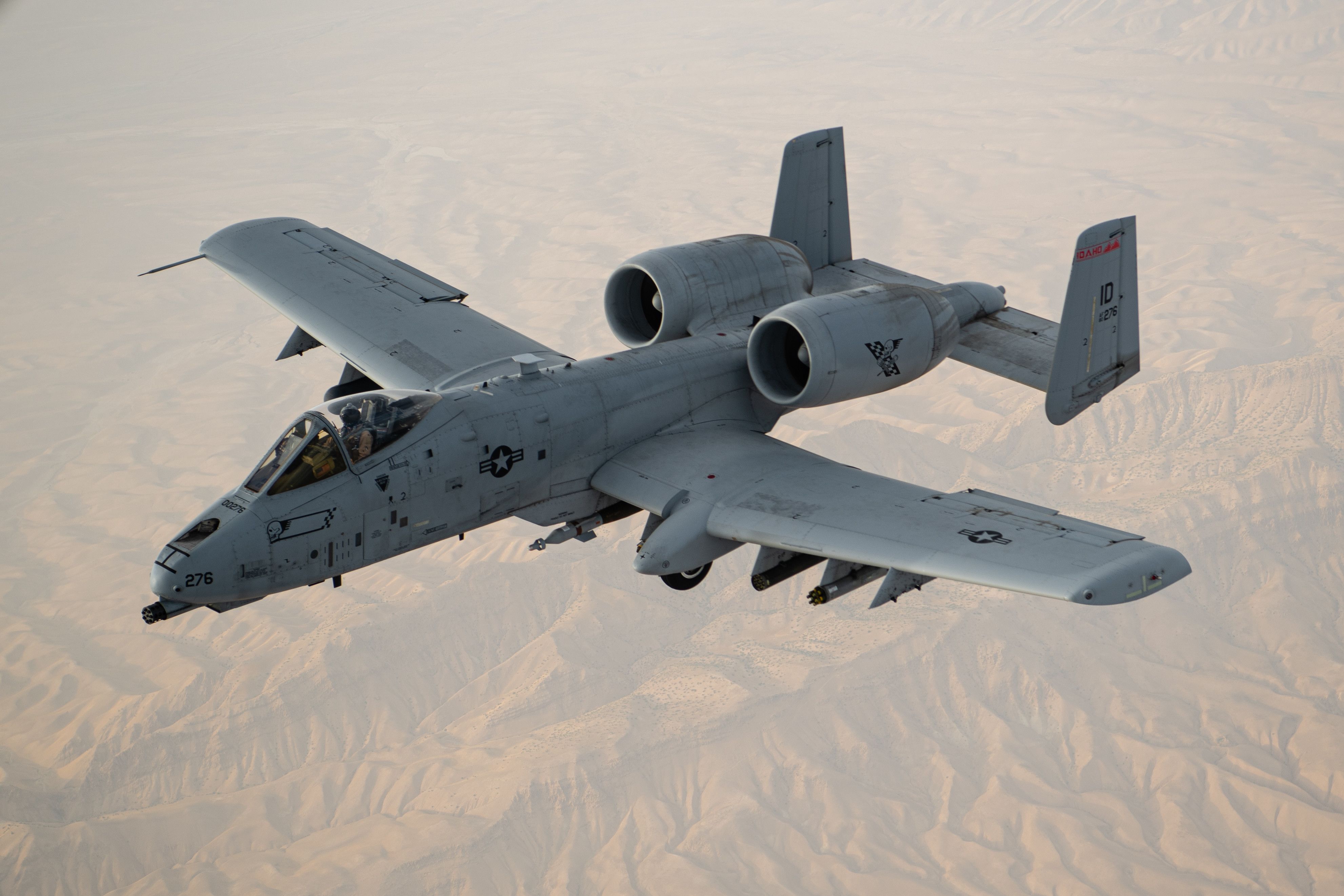
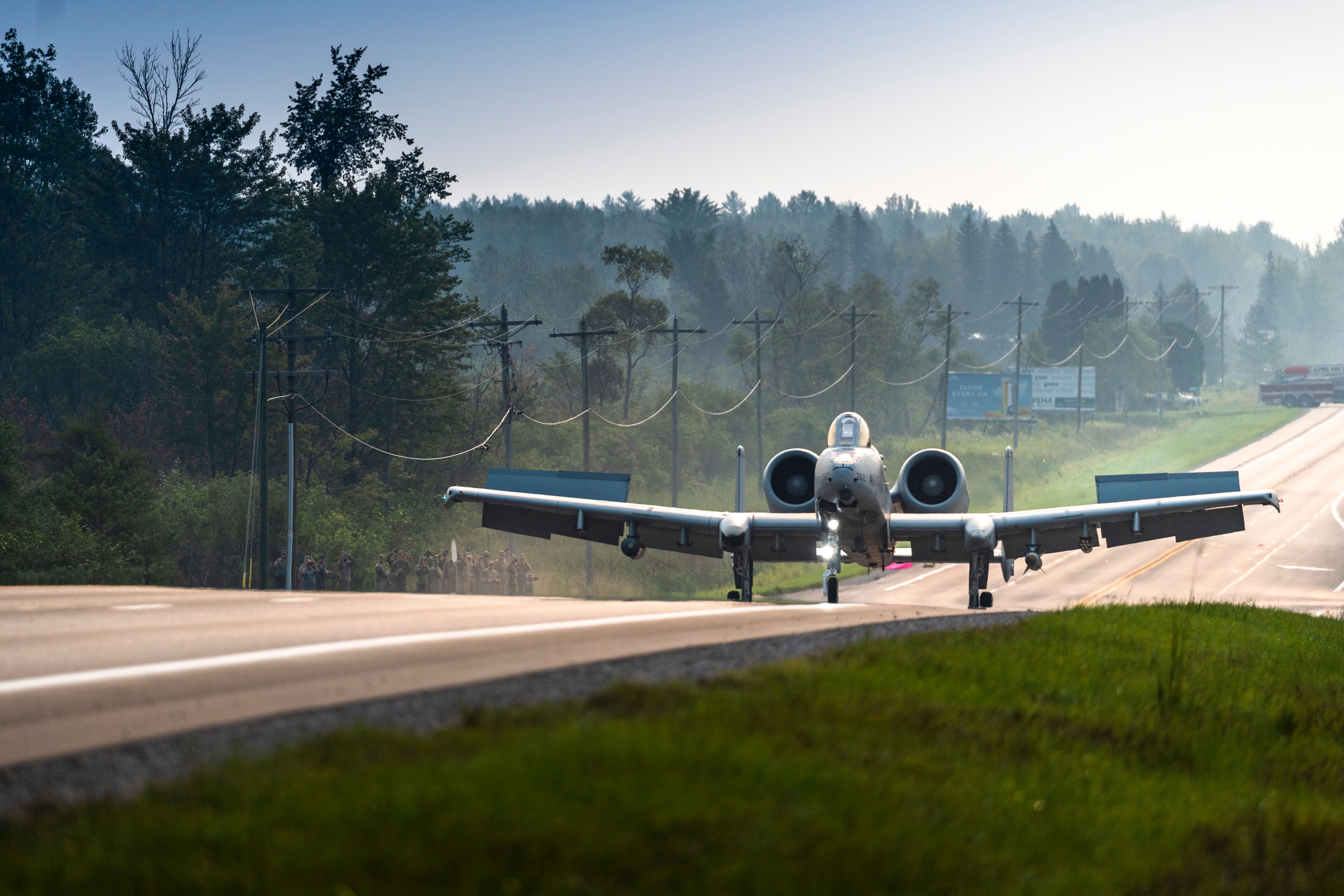
It excels as a versatile combat platform, capable of lingering near conflict zones for prolonged durations, providing effective support to troops on the ground. The rugged Warthog can execute landings in austere conditions and is able to function under challenging weather conditions with restricted visibility of 1.5 miles (2.4 kilometers) and ceilings as low as 1,000 feet (303.3 meters).
According to Airforce Technology, the A-10C boasts a large bulletproof bubble canopy that gives the pilot all-around vision, complemented by a head-up display, night-vision goggles, and an infrared imaging display.
Per the US Air Force, the Warthog features the following characteristics:
| Crew | 1 |
| Length | 53 ft 4 in (16.16 m) |
| Wingspan | 57 ft 6 in (17.42 m) |
| Height | 14 ft 8 in (4.42 m) |
| Maximum Take-Off Weight (MTOW) | 51,000 lbs (22,950 kilograms) |
| Maximum speed | 420 mph (Mach 0.56) |
| Range | 800 miles (1,287 km) |
Deadly firepower
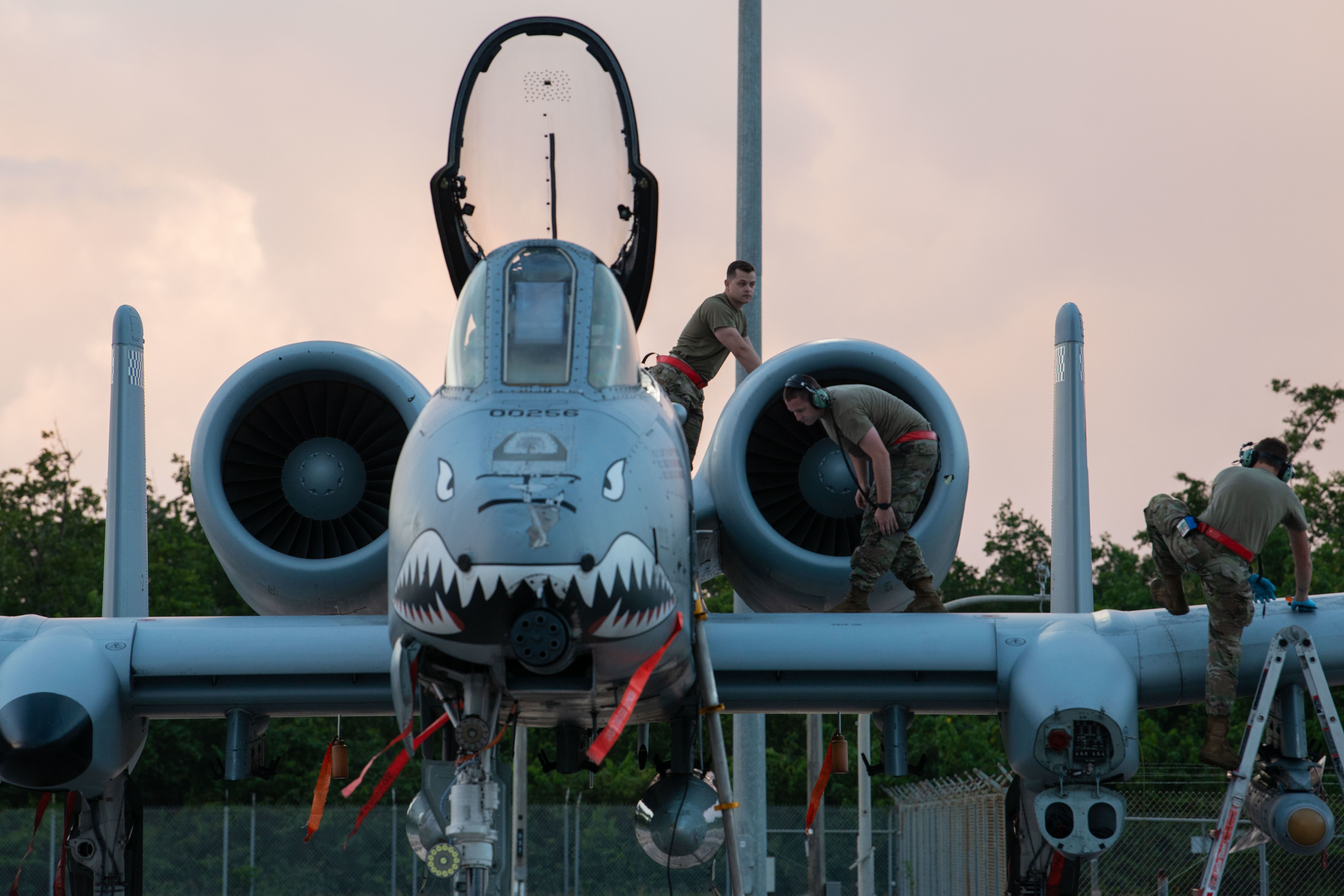
One of the most powerful features of the A-10C is, undoubtedly, its incredible firepower. At the heart of its arsenal is the GAU-8 Avenger rotary cannon, a 30-millimeter weapon capable of unleashing a devastating barrage of fire on enemy targets.
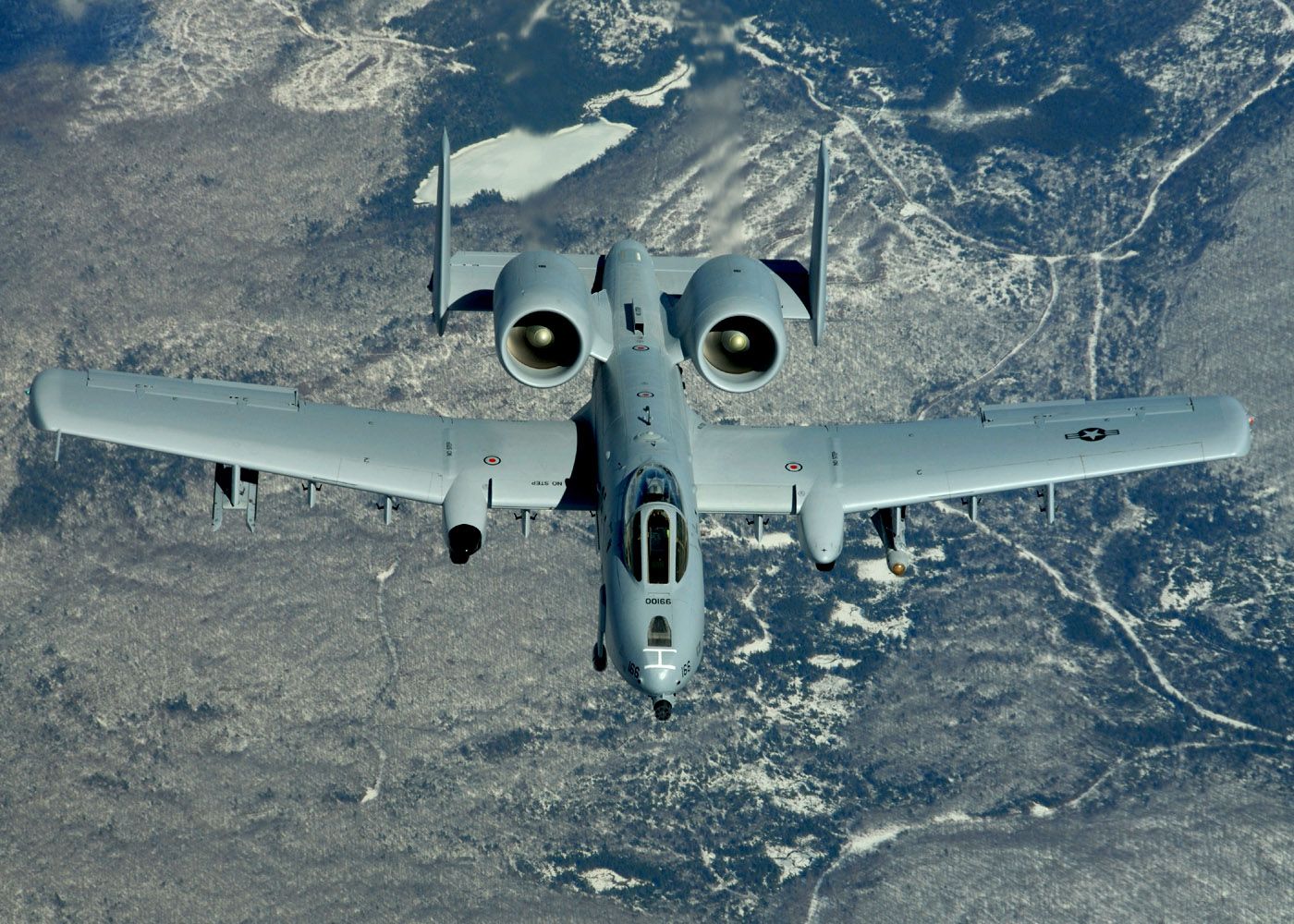
Dubbed the “tank killer,” the GAU-8 can penetrate armored vehicles with ease, making the A-10C a formidable adversary on the battlefield. With a rate of fire of up to 3,900 rounds per minute, the GAU-8 is capable of decimating enemy ground forces with remarkable precision.
The Warthog’s versatility and adaptability make it a highly effective weapon in a variety of combat scenarios – delivering devastating attacks on enemy targets with surgical precision. Equipped with a wide array of munitions, including precision-guided missiles, bombs, and rockets, the A-10 is a force to be reckoned with.
In addition to the GAU-8/A, the A-10C’s weaponry includes:
- Up to 16,000 lbs (7,200 kilograms) of mixed ordnance on eight under-wing and three under-fuselage pylon stations, including 500-lb (225-kg) Mk-82 and 2,000-lb (900-kg) Mk-84 series low/high drag bombs
- Incendiary cluster bombs
- Combined effects munitions
- Mine dispensing munitions
- AGM-65 Maverick missiles
- Laser- and GPS-guided bombs
- Unguided and laser-guided 2.75-inch (6.99-cm) rockets
- Infrared countermeasure flares
- Electronic countermeasure chaff
- Jammer pods
- Illumination flares
- AIM-9 Sidewinder missiles
Whether providing close air support for ground troops, conducting airstrikes on enemy positions, or engaging in air interdiction missions, the A-10C excels in a multitude of roles, making it a valuable asset on the battlefield.
Tough, powerful and virtually indestructible
In addition to its fearsome firepower, the A-10C is revered for its remarkable durability and survivability. Unlike sleek, high-speed fighter jets, the A-10C is built like a tank, with a heavily armored cockpit and redundant systems designed to withstand enemy fire and continue operating in hostile environments.
The plane is engineered to withstand direct impacts from armor-piercing and high-explosive projectiles of up to 23mm caliber. A 1.5-inch (3.8-cm) thick titanium ‘bathtub’ structure in its cockpit provides protection to its one-person crew.
Additionally, its self-sealing fuel cells are shielded by both internal and external foam layers for added protection. In the event of hydraulic system failure, manual backup systems support the hydraulic flight-control mechanisms, enabling pilots to continue flying and safely land the aircraft. This rugged design has earned the A-10C a reputation for being able to absorb punishment and return home safely, even in the face of heavy enemy resistance.
Proven reputation
Aside from its impressive capabilities, the A-10C’s legendary combat record speaks for itself. Since its introduction into service in 1976, the A-10C has proven its mettle in numerous conflicts around the world, earning the respect and admiration of pilots, ground troops, and aviation enthusiasts alike.
During the Gulf War’s Operation Desert Storm and Operation Noble Anvil (NATO bombing of Yugoslavia), the Warthog proved to be a vital asset to the United States and its allies. According to the US Air Force, A-10s had a mission-capable rate of 95.7%, flying 8,100 sorties and launching 90% of the AGM-65 Maverick missiles in the Gulf War.
The A-10C Warthog is rightfully feared for its unmatched firepower, durability, versatility, and combat record. With its lethal combination of firepower and survivability, the A-10C remains a formidable force on the battlefield, capable of delivering devastating blows to enemy targets with unparalleled precision and effectiveness.
As long as there are threats to be neutralized and ground forces to be supported, the A-10C Warthog will continue to strike fear into the hearts of its adversaries until its divestment in 2029 – more than five decades since its initial deployment.