



The story of the Hughes XF-11 and how it almost killed aviation pioneer Howard Hughes after he tried to make an emergencylanding on the 9th hole of the Wilshire Country Club in Beverly Hills, California. Designed to be a fast, long-range, high-altitude reconnaissance aircraft for the United States Air Force, the XF-11 resembled the much smaller Lockheed P-38 Lightning fighter.
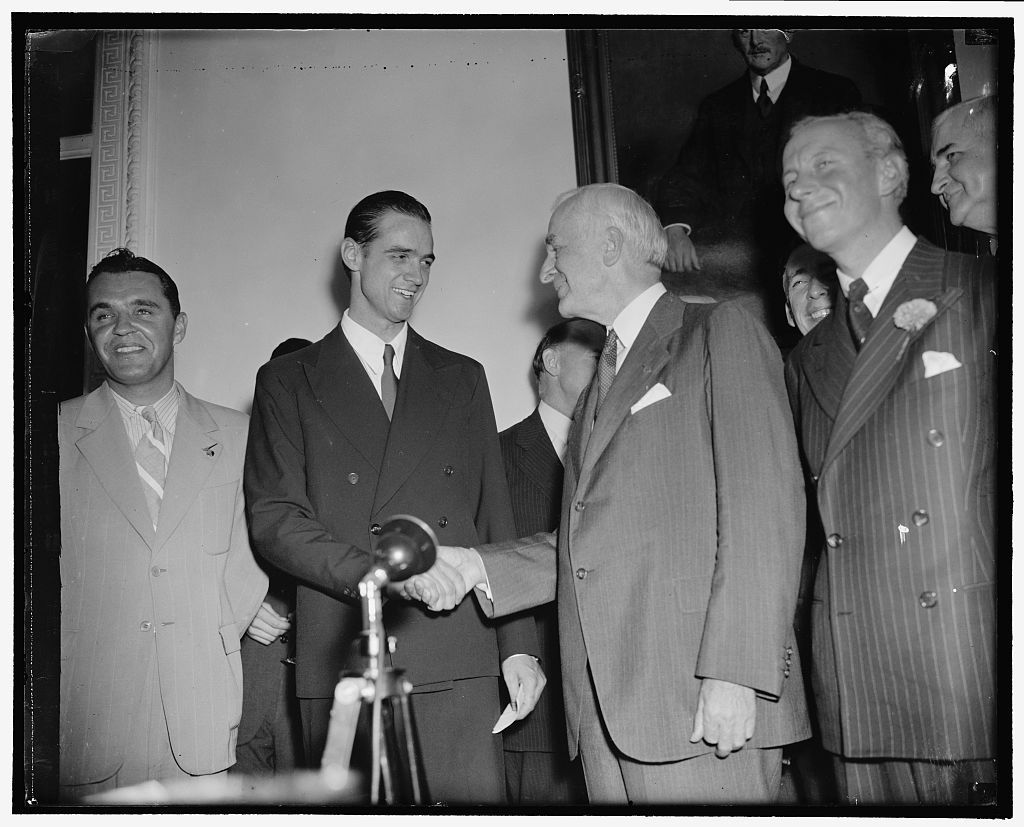
Eager to win a military contract, Hughes got a friend of his father, who happened to be the Secretary of Commerce at the time, to discuss the project with President Franklin D. Roosevelt. President Roosevelt dispatched his son Elliott Roosevelt, a Colonel in the Air Force, to visit the Hughes factory in August 1943.
Hughes was awarded a contract for 100 XF-11s
Colonel Roosevelt then wrote a letter to the chief of the Air Force, General Henry “Hap” Arnold recommending the purchase of the XF-11 as a photographic reconnaissance aircraft. Hap approved the recommendation and ordered 100 planes, with delivery to begin in 1944.
When others in the upper echelons of the Air Force found out what had happened, they strongly objected, saying that the Lockheed XP-58, developed from the P-38, was a superior aircraft. Under intense pressure from the Air Force due to production issues, Hughes hired Charles Perrell to oversee the project.
Production delays hampered the plane
Several Hughes employees were unhappy with the hiring of Perrell and resigned, delaying production even further. When World War Two ended in September 1945, the Air Force no longer needed the XF-11 and whittled the order down to just three planes. Perrell was then fired by Hughes, who proceeded to develop the prototypes.
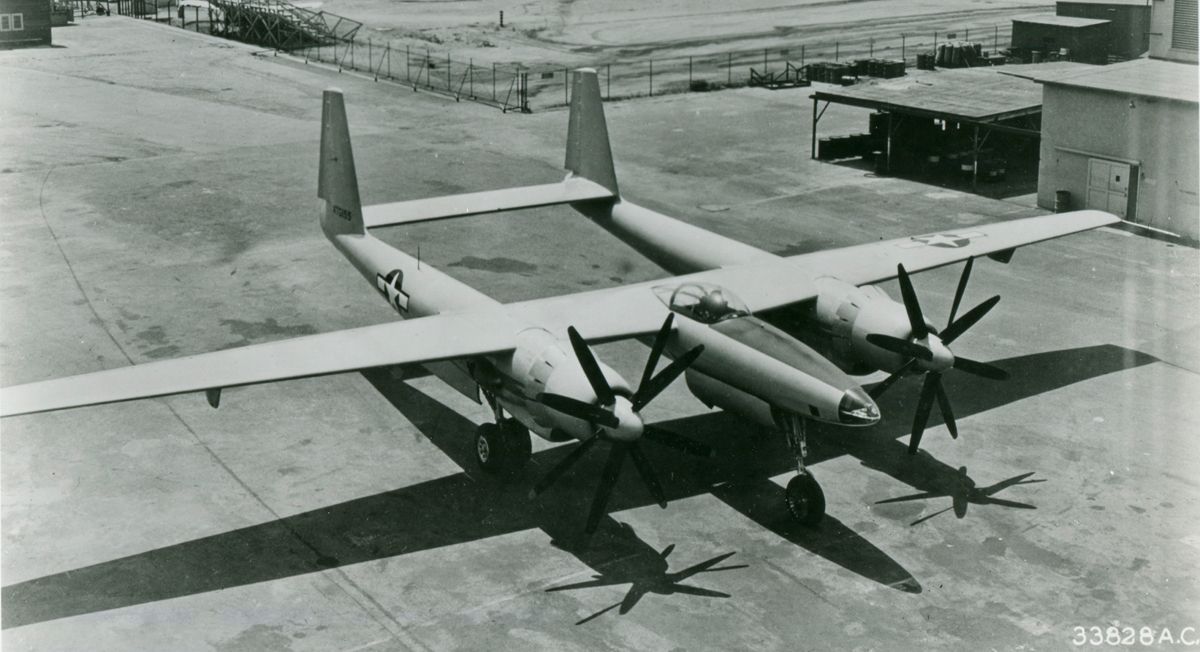
Now acting as the boss, Hughes decided he would be the first to fly the aircraft and took off on its maiden flight from the Hughes Aircraft factory airfield at Culver City on July 7, 1946.
The plane encountered problems and crashed into three houses
Despite having an agreed testing program and communications protocol, Hughes remained airborne for nearly twice the length of time that was approved. The aircraft suddenly lost power and yawed hard to the right, and rather than trying to feather the propeller, Hughes started troubleshooting as the plane lost altitude.
Realizing that he could not return to the factory airfield, Hughes decided to try and land the aircraft on a golf course. Three hundred meters short of the golf course, the aircraft wheels clipped a couple of houses, slicing through the last one with its wing, igniting a fire.
Luckily for Hughes, Marine Sgt. William Lloyd Durkin and Capt. James Guston witnessed the crash and were able to pull Hughes from the wreckage, almost certainly saving his life. At the Beverly Hills Emergency Hospital, doctors treated Hughes for burns, a crushed left collarbone, broken ribs, and a collapsed lung while giving him a 50/50 chance of getting through the night.
An investigation into what was responsible for the crash found that a hydraulic leak caused the pitch change mechanism of the right propellor to fail. Hughes eventually recovered and, despite the incident, flew the second prototype XF-11 on its maiden flight seven months later.