



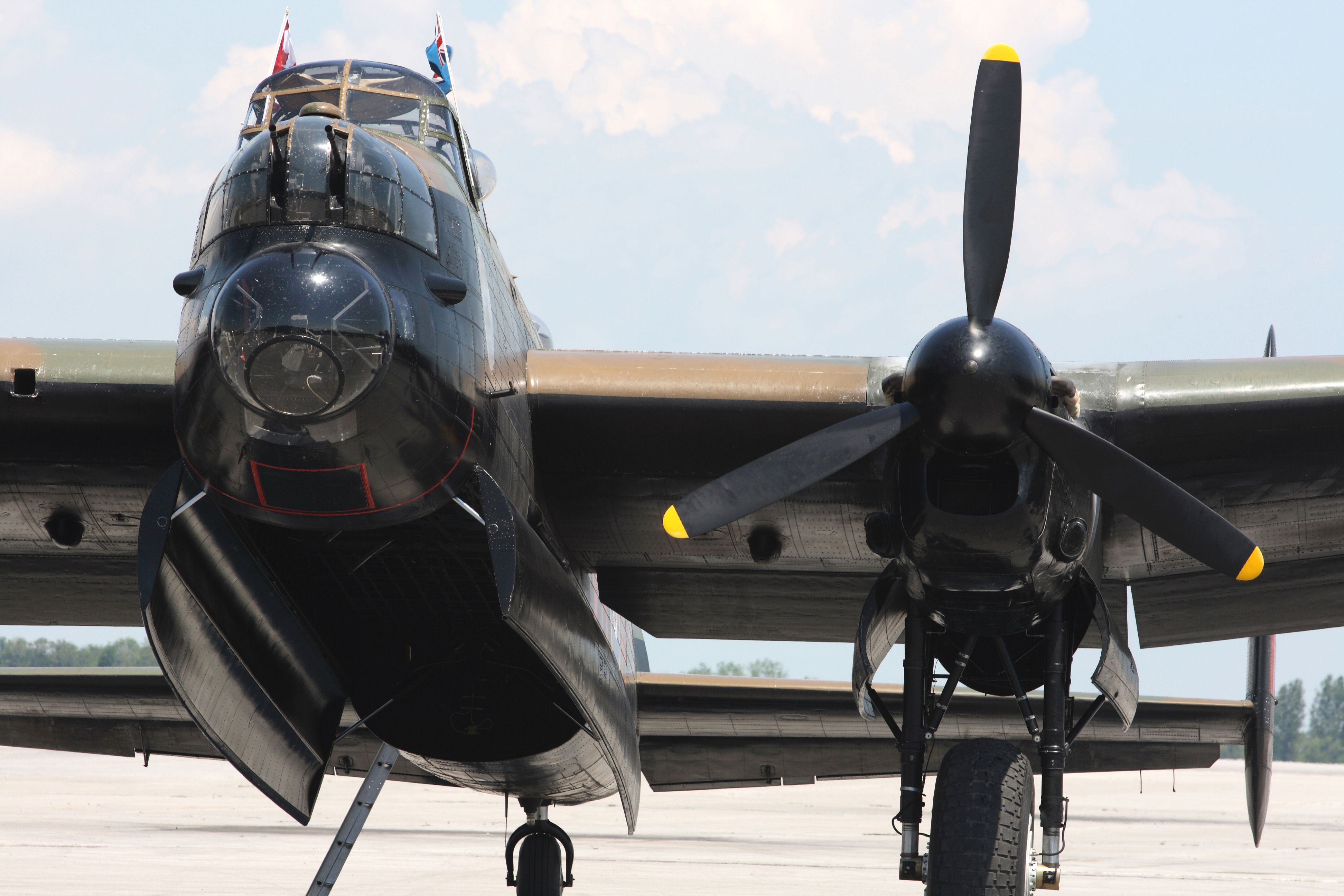
The Avro Lancaster was a British bomber that served as the main aircraft for Bomber Command during the Second World War. An important Royal Air Force (RAF) member of the United Kingdom performed its first flight in January 1941.
With its extraordinary performance, agility, and flying characteristics, it quickly became superior to other four-engined bombers. Over 7,000 units were produced, most flown over Europe during strategic bombing missions.
The Avro Lancaster
The Avro Lancaster proved its superiority over other allied bombers through various characteristics, particularly during combat missions. The Avro Lancaster program was massive in terms of production rates and delivery requirements. The industrial and military organizations collaborated to increase production across several factories on two continents and over a hundred thousand employees.
| Avro Lancaster statistics | Numbers |
|---|---|
| Number of major companies building aircraft | 6 |
| Total number of companies involved | 920 |
| Number of factories in which Avro Lancasters were built | 10 |
| The total workforce across all companies | Over 1.1 million |
| Number of aircraft produced | 7,377 |
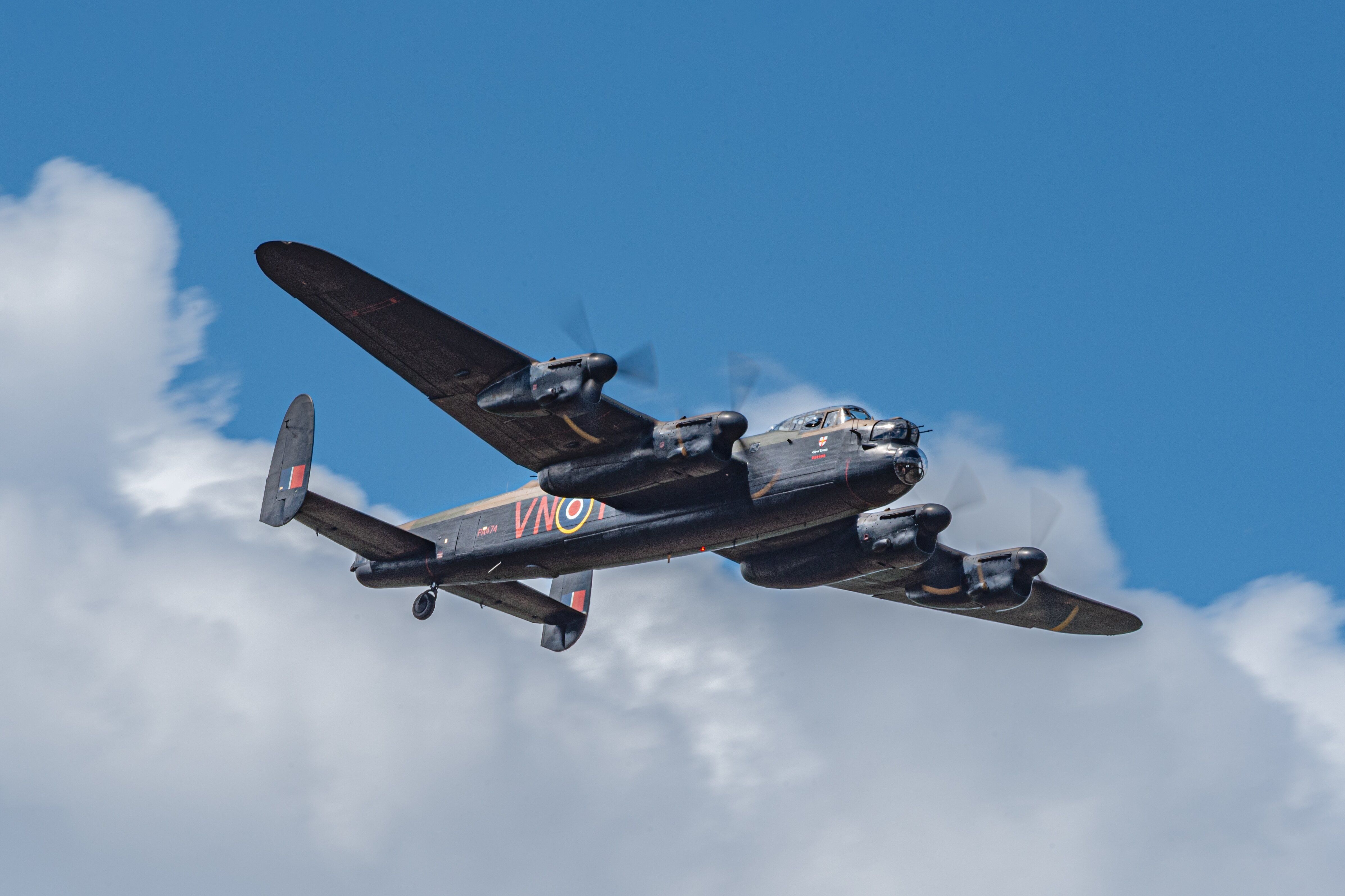
Photo: Pawel Bednarski 303 | Shutterstock
As one of the most extensive bomber projects during World War II, Avro Lancaster brought together hundreds of companies, including raw material suppliers, part manufacturers, modular assembly vendors, and major aircraft manufacturers.
According to the RAF,
“The industrial and military organisation needed to build and operate the Lancaster was huge. Six major companies built 7377 aircraft at ten factories on two continents; at the height of production over 1,100,000 men and women were employed working for over 920 companies. More service personnel were involved in flying and maintaining it than any other British aircraft in history.”
A large number of workforce across continents took part in what will become a crucial heavy bomber to take over the land of Nazi Germany. The RAF mentions the usability of the Avro Lancaster during the war over Germany by stating,
“For the last three years of the Second World War, the Avro Lancaster was the main heavy bomber used by Bomber Command to take the war to the heartland of Nazi Germany.”
An unmatched versatility
The versatility of the Avro Lancaster was evident through its requirement to have a seven-member crew.
| The basic crew comprised of seven members | Crew responsibilities |
|---|---|
| A Pilot | To perform flight operations |
| A Flight Engineer | To perform checklists, vigilance, and oversee instrumentation |
| A Bombardier | A responsible member of the bomb’s bay |
| A Navigator | Oversee navigations and targets |
| A Radioman | Responsible for radio control activities and communications |
| Gunners x2 | Forward and rear gun operators |
During most of the aircraft’s operational career, Lancaster’s crew comprised young army fighters, particularly ones who supported the strategic combat missions over Germany. Bomber Command faced a high casualty rate compared to most other branches during World War II.
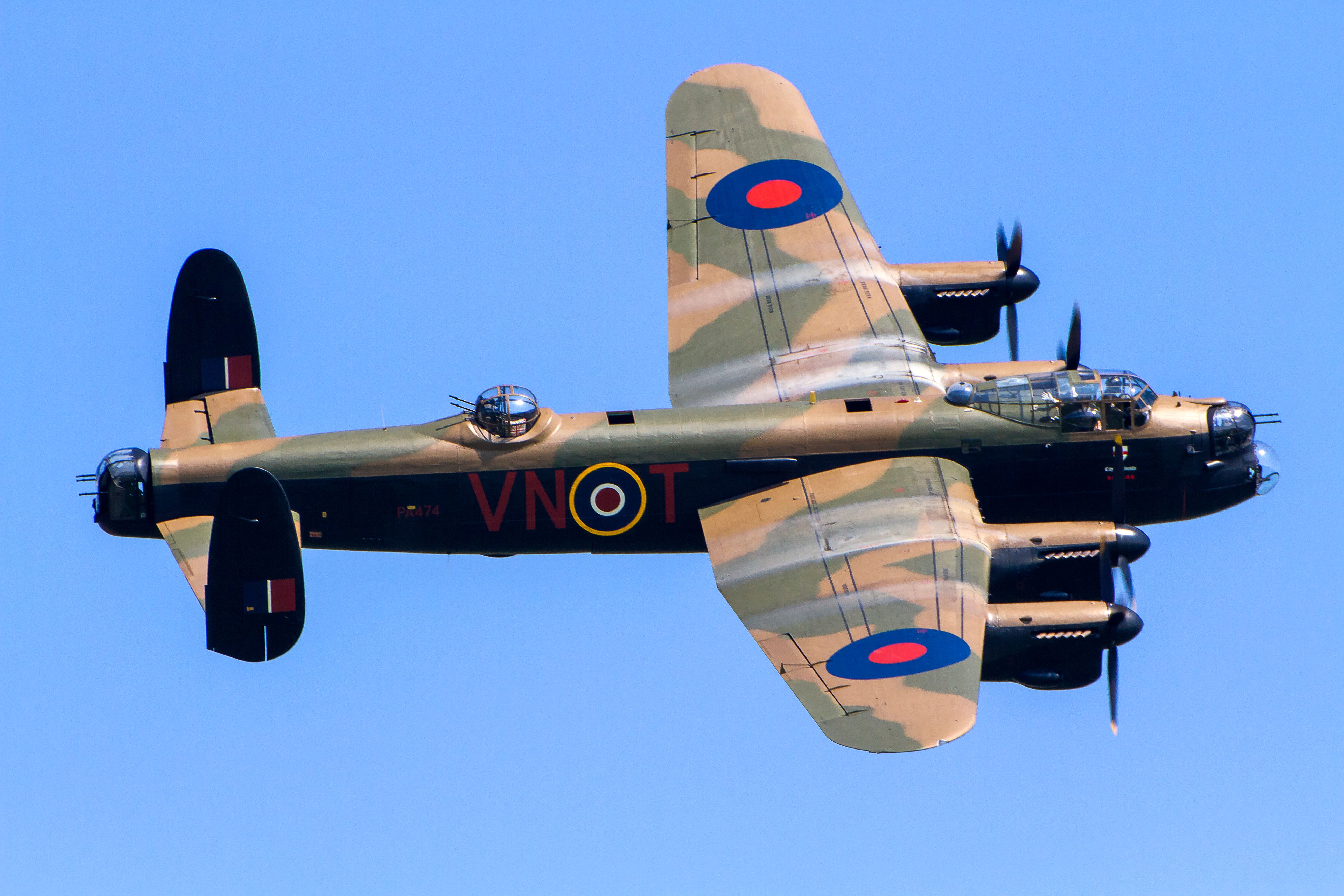
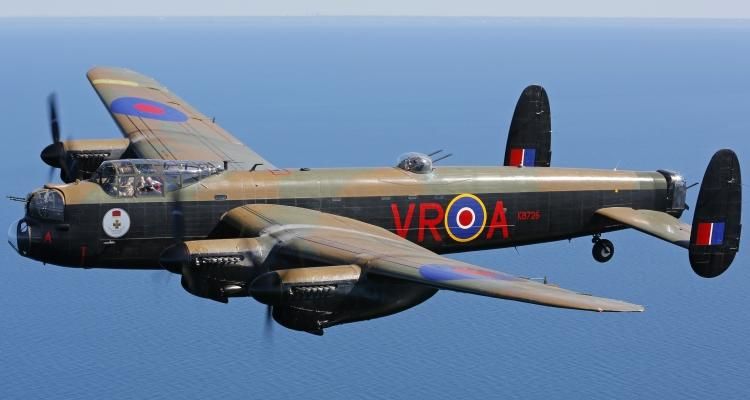
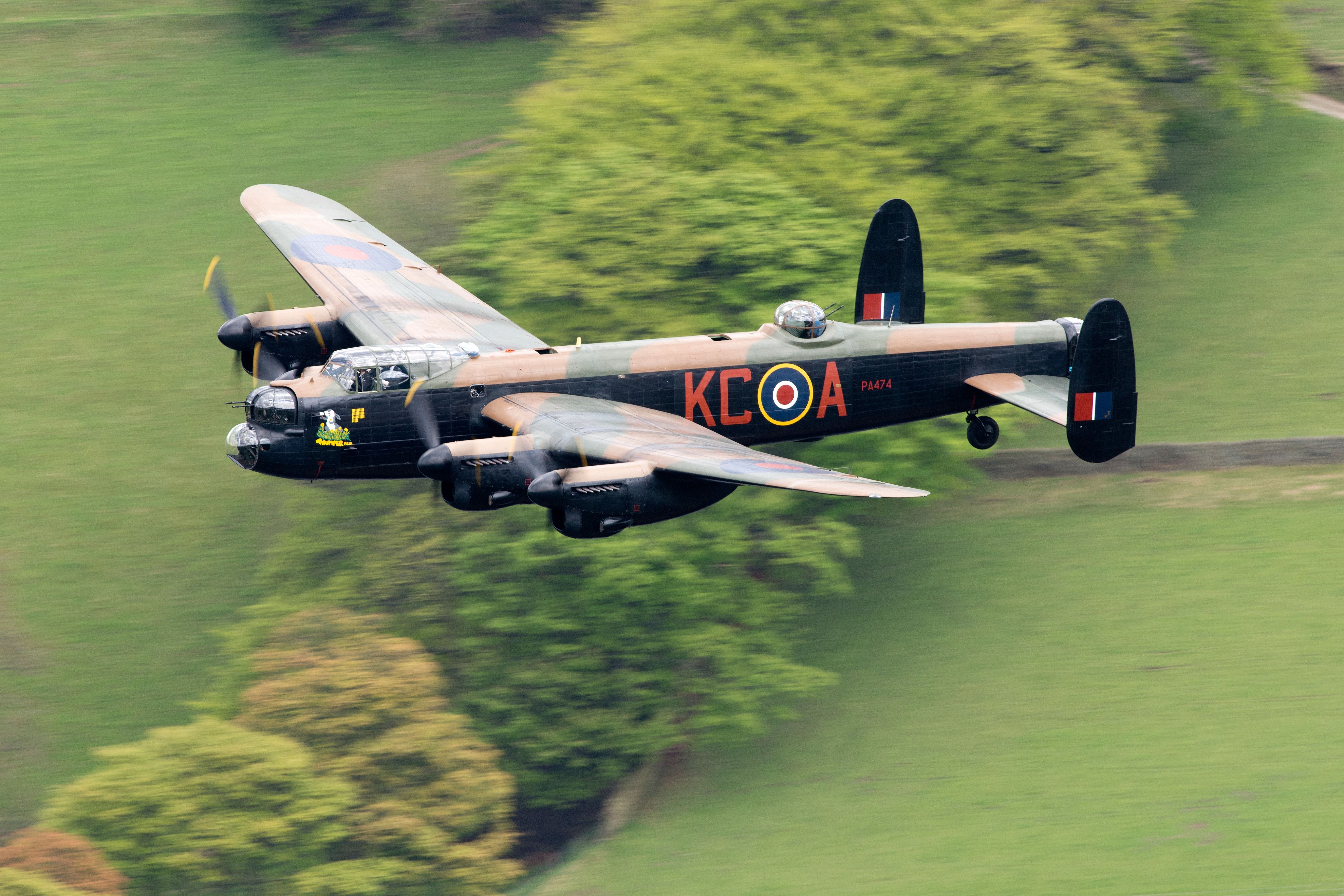
However, the Avro Lancaster fleet proved to have a much higher survivability rate than other aircraft within the wing. Avro Lancasters completed over 21 missions on average before they were damaged or lost. According to the RAF,
“The Lancaster’s operational career is littered with impressive statistics, some are set out below, but it is worth remembering that the average age of the seven-man crew was only 22 years. They endured danger and discomfort and many showed great courage in continuing to fly knowing the odds against survival were high. Bomber Command suffered the highest casualty rate of any branch of the British services in World War Two.”
A capacity for high-explosive munitions
The Avro Lancaster had a spacious bomb bay to carry a variety of high-explosive armaments. With a bomb bay capacity of 14,000 lbs (6,400 kg), the aircraft could carry normal war bombs and high-blast cylindrical cookies. Normal bombs could weigh between 1,000 and 2,000 lbs (450 and 900 kg), whereas high-blast cookies weighed as high as 4,000 lbs (1,800 kg).
The specialized bouncing bombs could precisely spin and bounce across waters to reach their target. The bombs were capable of avoiding any obstacles on the way, including missile nets. The specialized bomb will have a first large bounce followed by subsequent smaller bounces.
The intensity of the bounces decreased as it navigated towards the target. Subsequent spins would bring the bomb into the close vicinity of the target before it is detonated using a hydrostatic fuse. The aircraft’s unique capabilities made it a prominent choice for Bomber Commands during strategic missions.
Range and power
| Performance characteristics | Specifications |
|---|---|
| Operational range | 1,440 NM (2,675 km) |
| Avro Lancaster engines | 4x Rolls-Royce Merlin V-12 Piston Engine |
| Power per engine | 1,280 hp (950 kW) |
The Avro Lancaster boasted an operational range of 1,440 nautical miles (2,675 km) with a full bomb load. Each liquid-cooled Rolls-Royce Merlin piston engine generated 1,280 horsepower to achieve the desired range and performance. During the Lancaster’s operational career, it faced a shortage of Merlin engines.
As a result, Bristol Hercules engines powered some aircraft rolled out of the production line. The Bristol radial engines lacked capability during crucial missions, so the manufacturer imported Packard-built Merlin engines from the United States.
What are your thoughts on the Avro Lancaster bomber and its extraordinary capabilities? Share your views in the comments section.